
The first Saturday of November this year was right the beginning of the month, 1st November, traditionally celebrated as All Saint’s Day and preceded by All Hallow’s Eve, more commonly known as Halloween.
Stepping between worlds
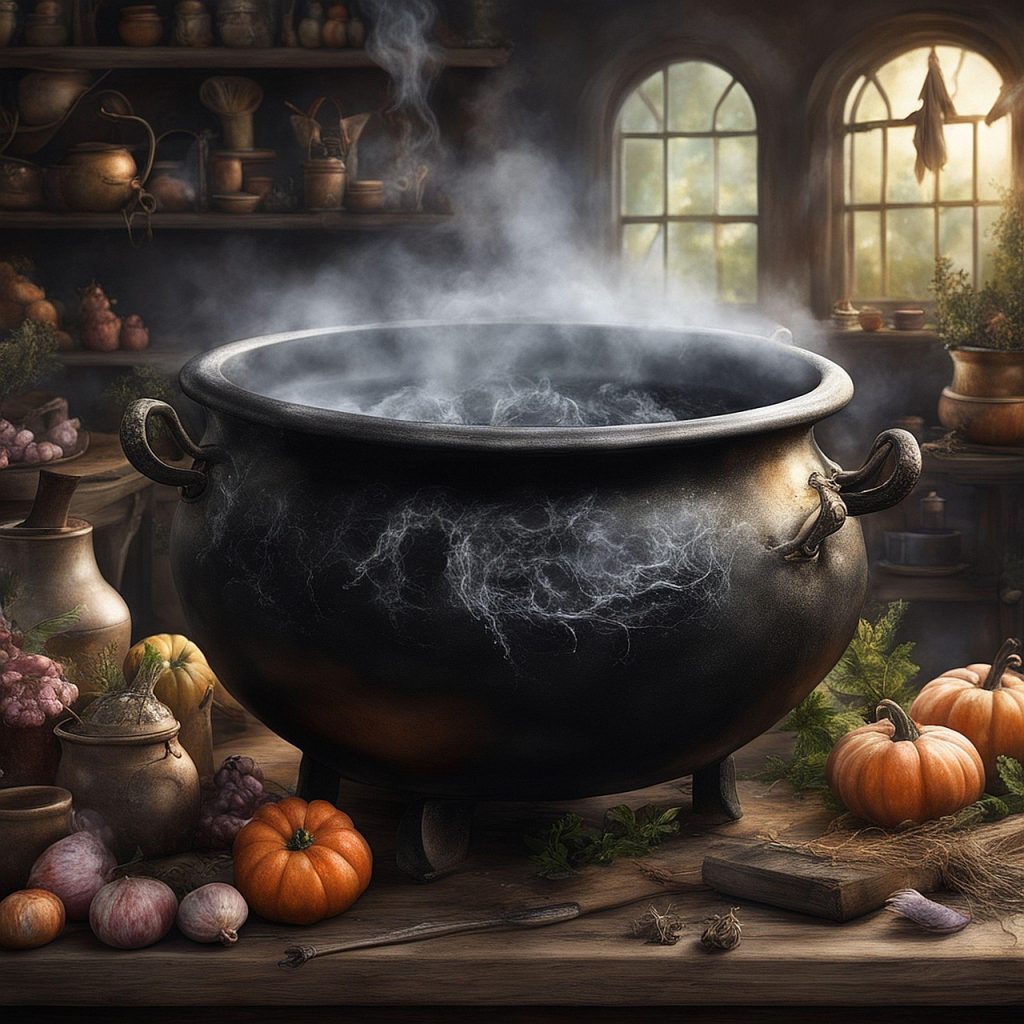
Responding to the liminal spirit of this time, when the veil between worlds lowers and spirits abound – a time for magic and mystery, ancestral remembrances and all things witchy – we looked to the much-quoted lines that Shakespeare gave to his three witches. Hags, wise women, weird sisters or wonderous charmers, these crones certainly knew their plants, even if they disguised them in very much more gruesome terms than we’d use today.
Traditional knowledge
It is curious to think that, when Shakespeare was writing, he could make references to such things as ‘eye of newt’ with an inkling that his audience would know what he was referring to. Seeds may have often then been referred to as ‘eyes’ and the yellow colour of a mustard seed equated them with those of a newt. How many of the other plants referred to would have been recognised by his contemporaries I’m not sure, but I’d guess it was probably more than we typically recognise today.
Handily, for our Herb walk, we had a ‘translation’. A little bit of background research had helped identify most the plant-based origins of the ingredients that went into the witches’ cauldron. All we had to do is see how many of them were out and about in and among the fields of Cam and Dursley.
Macbeth’s Witches
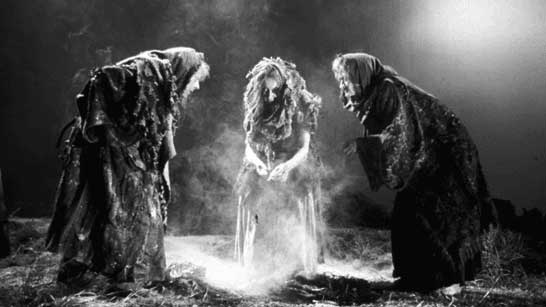
Here are the famous lines, they’re fun to read out loud as we did at the start of our walk, all joining in with the ‘Double, double’ bit. Much thanks to our two witches!
The Witches’ Brew in Macbeth – Act IV, Scene I
All
Double, double toil and trouble;
Fire burn and cauldron bubble.
Second witch
Fillet of a fenny snake
In the cauldron boil and bake;
Eye of newt and toe of frog,
Wool of bat and tongue of dog,
Adder’s fork and blind-worm’s sting,
Lizard’s leg and owlet’s wing.
For a charm of powerful trouble,
Like a hell-broth boil and bubble.
All
Double, double toil and trouble;
Fire burn and cauldron bubble.
Third witch
Scale of dragon, tooth of wolf,
Witches’ mummy, maw and gulf
Of the ravin’d salt-sea shark,
Root of hemlock digg’d i’the dark.
Liver of blaspheming Jew,
Gall of goat, and slips of yew
Silver’d in the moon’s eclipse.
Nose of Turk and Tartar’s lips.
Finger of birth-strangled babe
Ditch-delivered by a drab,
Make the gruel thick and slab:
Add thereto a tiger’s chaudron,
For the ingredients of our cauldron.
All
Double, double toil and trouble;
Fire burn and cauldron bubble.
Second Witch
Cool it with a baboon’s blood,
Then the charm is firm and good.
Packed with plants
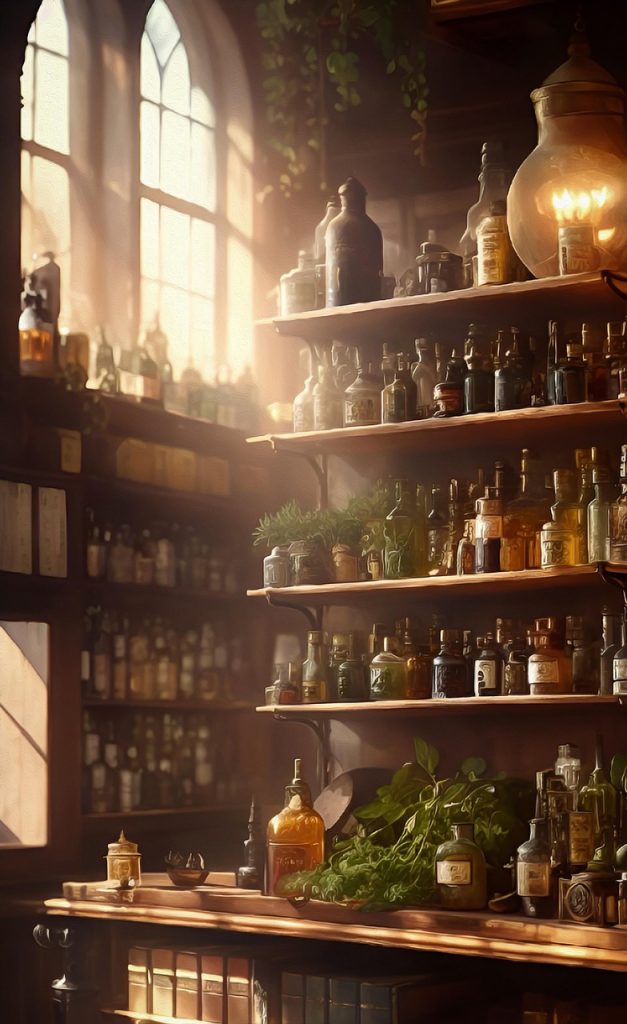
It might surprise you to know that everything listed in green is a disguised reference to a plant. You can just imagine the witches’ lair, surrounded with their stash of treasured herbs, carefully collected through the seasons and stored in labelled jars and bags, or hanging from rafters, ready to be called upon in concocting their potion.
Cam’s Cauldron Contribution
In an hour’s walk starting at the top of Field Lane in the Quarry, Cam, we managed to find:
Fillet of a fenny snake (arum lily), eye of newt (mustard seed), toe of frog (bulbous buttercup), wool of bat (moss), adder’s fork (dogtooth violet) blind worm’s sting (knotweed), lizard’s leg (ivy), gall of goat (St John’s Wort) and slips of yew silver’d in the moon’s eclipse (yew).
Had we had more time, or visited in a different season, we’d probably be able to add a few more to our witchy stores: Tiger’s chaudron (Lady’s Mantle), Finger of birth-strangled babe ditch delivered by a drab (Foxglove), Root of hemlock digg’d i’the dark (hemlock), tooth of wolf (wolfsbane), scale of dragon (tarragon) and owlet’s wing (garlic).
Local herbs
Shakespeare certainly has a way with words, making things sound exotic and intriguing (J K Rowling has learnt a lot from him), but really, they were in the main using the herbs and plants that grew in their local patch (plus the odd bit of mummified relic and a drop of baboon’s – possibly gecko’s – blood).
A fitting close
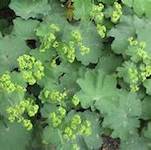
My favourite ingredient is the reference to ‘Tiger’s chaudron’ which is believed to be the plant Alchemilla mollis, that we also call Lady’s Mantle. Its common name comes from the shape of the leaves, they look like the cloak that we imagine was worn by ‘Our Lady’. This plant has many beautiful properties and resonances, one of which is that it is said to support in a way that feels like a protective cloak has been thrown over you. I think Shakespeare may have known this and includes the ‘tiger’s chaudron’ almost as a wrap around all the other ingredients, encasing them in the spell.

Local bard?
This, and many other references through his works, shows Shakespeare truly knew his herbs. Whether his was specialist knowledge or simply referencing common knowledge of the time is open to conjecture. As is the suspicion that he may have drawn some of his inspiration from the very hills around Cam and Dursley. What do you think?
Leave a Reply