
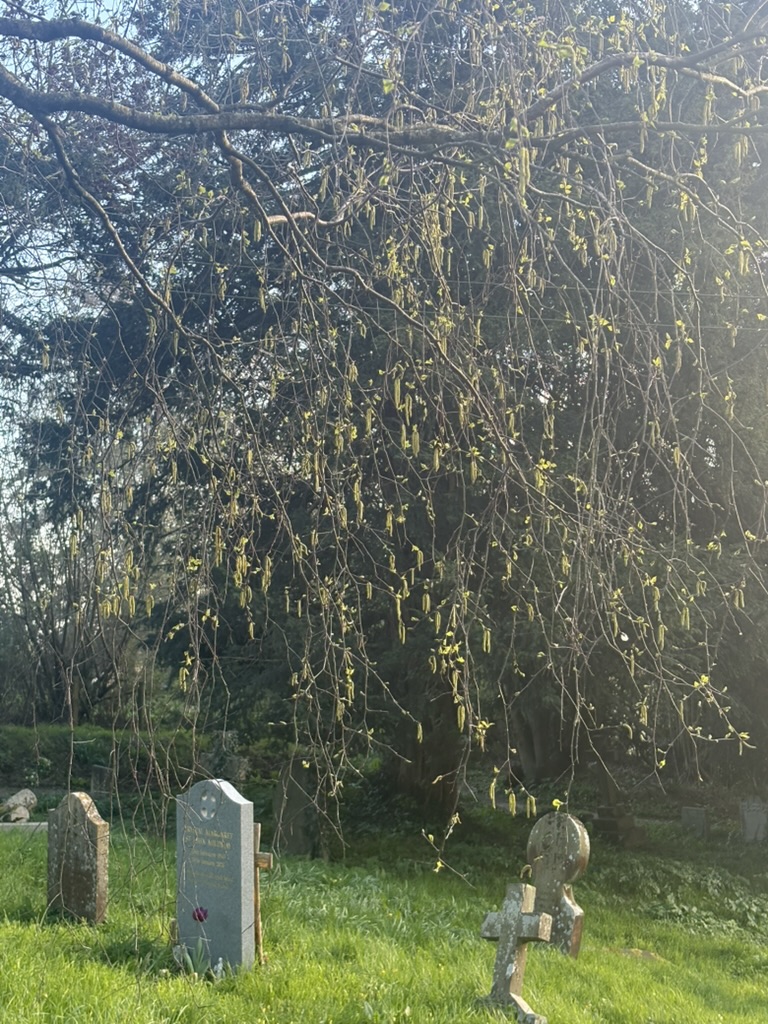
April marks the true awakening of the herbal world with new treasures blooming at our feet and blossoms overhead. Since the days of Chaucer’s Canterbury Tales it has been considered a month of sweet showers (‘shoures soote’) and rejuvenation.
Following the lead of the Medieval pilgrims, who set out as the sap started rising, for our April Herb walk we made a mini-pilgrimage to Stinchcombe and the grounds of St Cyr’s Church.
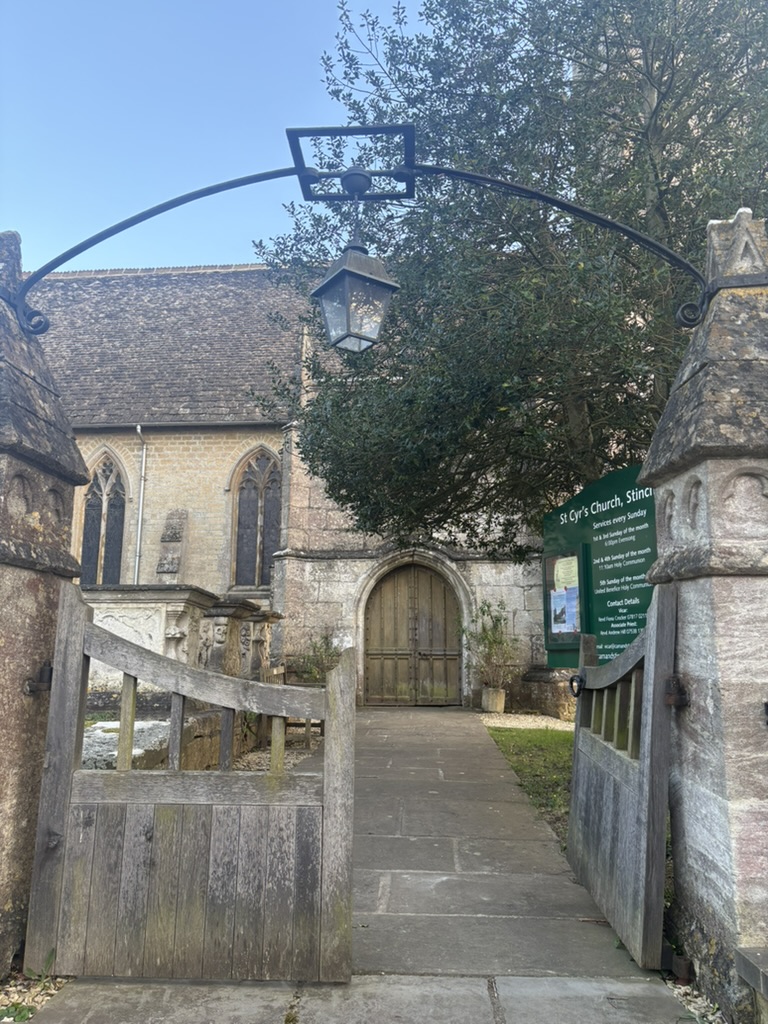
By chance our ‘first-Saturday-of-the-month’ regular fixture fell this month on Easter Saturday. So while the flower-arrangers prepared displays indoors, our band of ‘sundry folk’ examined the flowers and plants that artfully nestled themselves along paths and between gravestones through the churchyard.
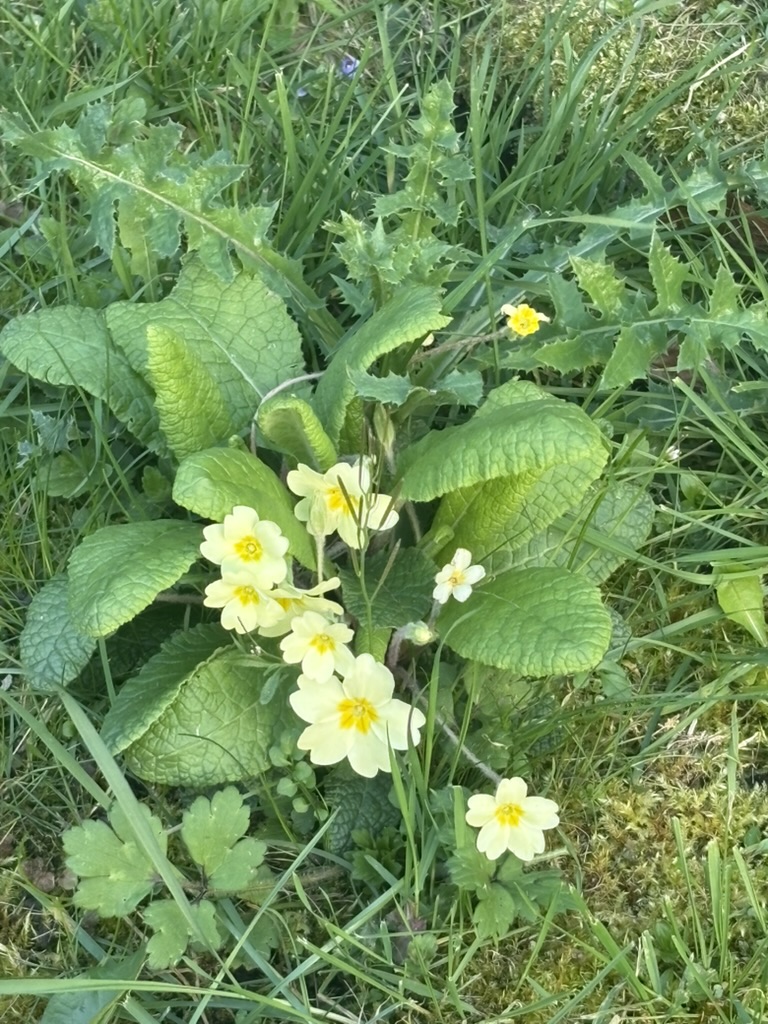
First flower
Starting with the primrose, whose name means ‘first flower’, we discussed how her cheering presence is like a faithful friend – there to help, but never forcing herself upon you. This year seems to have been a bumper year for primroses, their sunny yellow faces happy to see the worst of the winter gone. Primrose tea was drunk as a traditional remedy for insomnia, her ability to help us sleep seems in contrast her role in waking up the flowers. It’s a gentle awakening, not a blaring alarm. Taking a flower of primrose we could feel her velvety touch on our skin, the caring caress of a true friend.
Primrose is remarkable in her ability to withstand frost and snow. Once arrived, she will not be deterred. Energetically, she provides for us an anti-dote to freezing, able to soften hearts while building resilience. With primrose you can breathe confidently, a deep sign of relaxation and calm, a warm acknowledgement that spring has arrived.
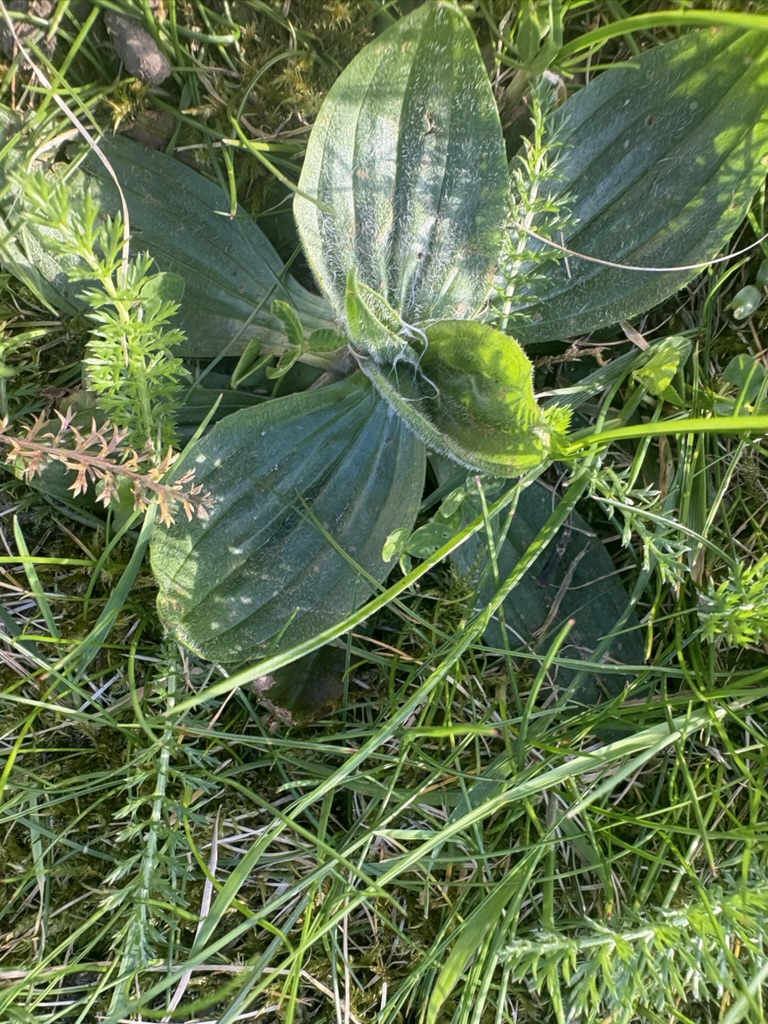

Plantain
Before we move on, time to spot plantain. This is such a ubiquitous plant (anecdotally appearing wherever white man has planted his foot), we are apt to overlook her. If your main experience of plantain is making pop-guns from her seed head, take time when you next see her to also admire her leaves. Two types of plantain are most common – the long, thin leaved plantain (Plantago lanceolata) and one with broader, rounder leaves (Plantago major). Medicinally they provide the same benefit and can be used interchangeably.
The simple form of these leaves – a clean outline and well-defined ribs – belies their ancient evolutionary stem. They have not changed much for millennia, there is no need, they function very well as they are, and can tolerate many conditions. That’s why we find them practically everywhere. When a survey was done of Suffolk churchyards, plantain was the only plant found in every one of them!
Plantain is an excellent ally to have around, do look out for her. She’s especially good against bites and stings (including nettle stings) – just crush her leaf (with your teeth if you choose to add saliva) and apply poultice-style. To have plantain-power at hand, you can make a balm by infusing oil with plantain and blending this with beeswax; alternatively infusing plantain in water will bring out her more cooling properties – great for a spray to use against hot flushes, sunburn or itching.
Dandelion
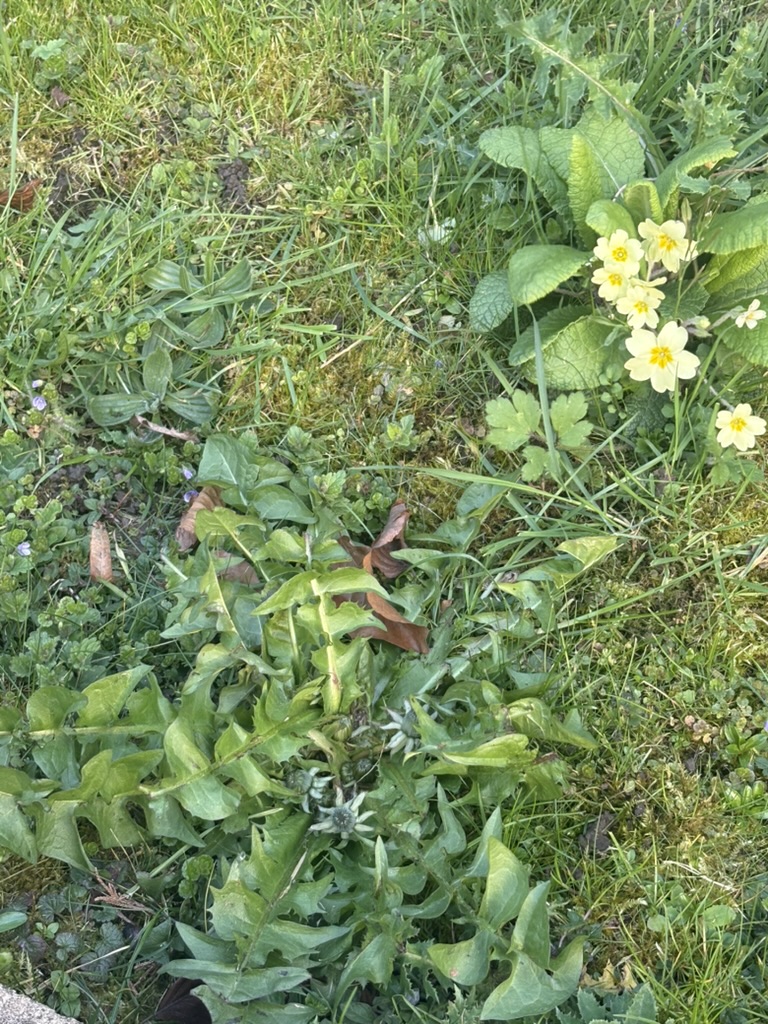
More wonderful weeds at our feet include spring favourites of dandelions and daisies. The bright yellow flower heads of dandelion are a very common sight across gardens, wastelands and in cracks of pavement. There are lots of look-alike flowers though. Identify dandelion too by checking the leaves, they should have the toothed edge that gives them their name ‘dents de lion’ (lion’s teeth).
Dandelion is edible, try the fresh young leaves at this time of the year before their bitterness has developed, or gather the petals to sprinkle on biscuits, there’s a delicate sherbertyness to them. These make a good resource for cleansing the system at the end of winter. Recognised as a diuretic (their french name is ‘pis-en-lit’, wet the bed), they make a great seasonal tea for detoxing the liver and kidneys. This reputedly is a good practice to reduce foot odour. They’re also good for your skin, infuse them in water to make a brightening toner. As well as bringing calming magnesium, dandelion helps prevent the breakdown of hyaluronic acid, our natural skin-plumping factor.
Yarrow
We’ve not yet moved on from our starting spot in the churchyard and still the plants are popping into view, asking to be noticed and admired.
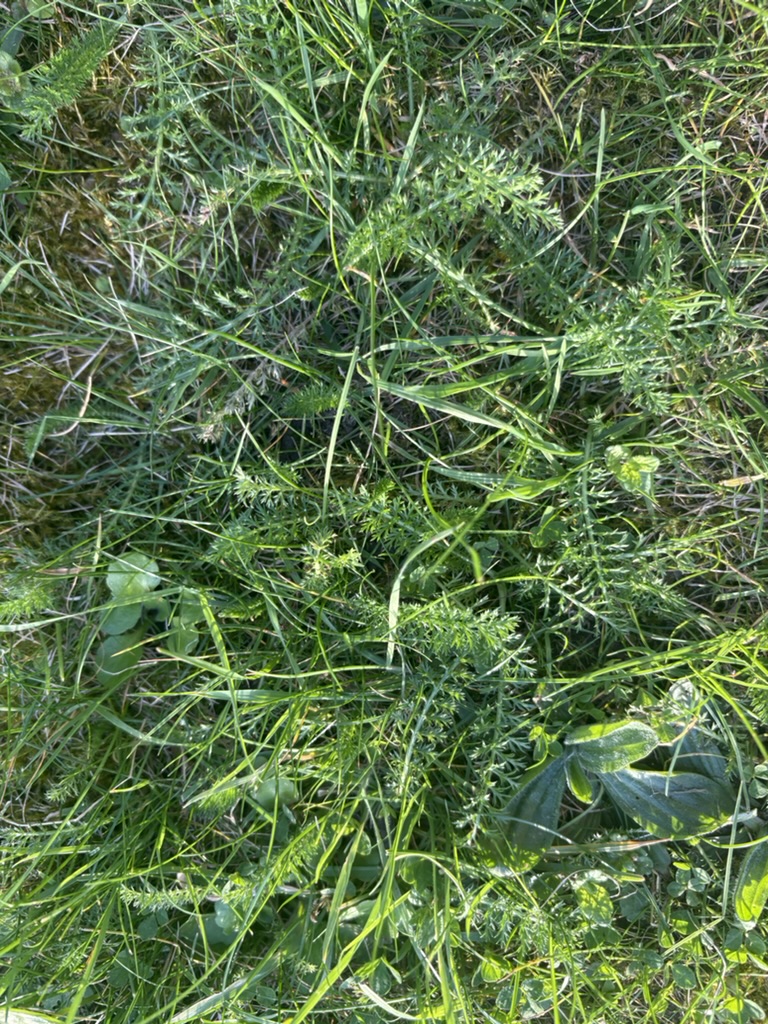
At this stage of the year yarrow is well hidden among the grass, but once you recognise her fluffy leaf form you’ll be spotting her everywhere. Yarrow is a highly protective plant, providing support to the other plants growing around her, and to us. Possibly best known as a styptic (able to stop bleeding), she is named (in latin) after the warrior Achilles and his reputed strength.
Later in the year her stems will grow strong and support her many-flowered head (Achillea milleflolium). Tempting though this may be to pick, her stem will not break easily. In China, yarrow stems are used as an alternative to divining rods in I Ching divination.
Plant path
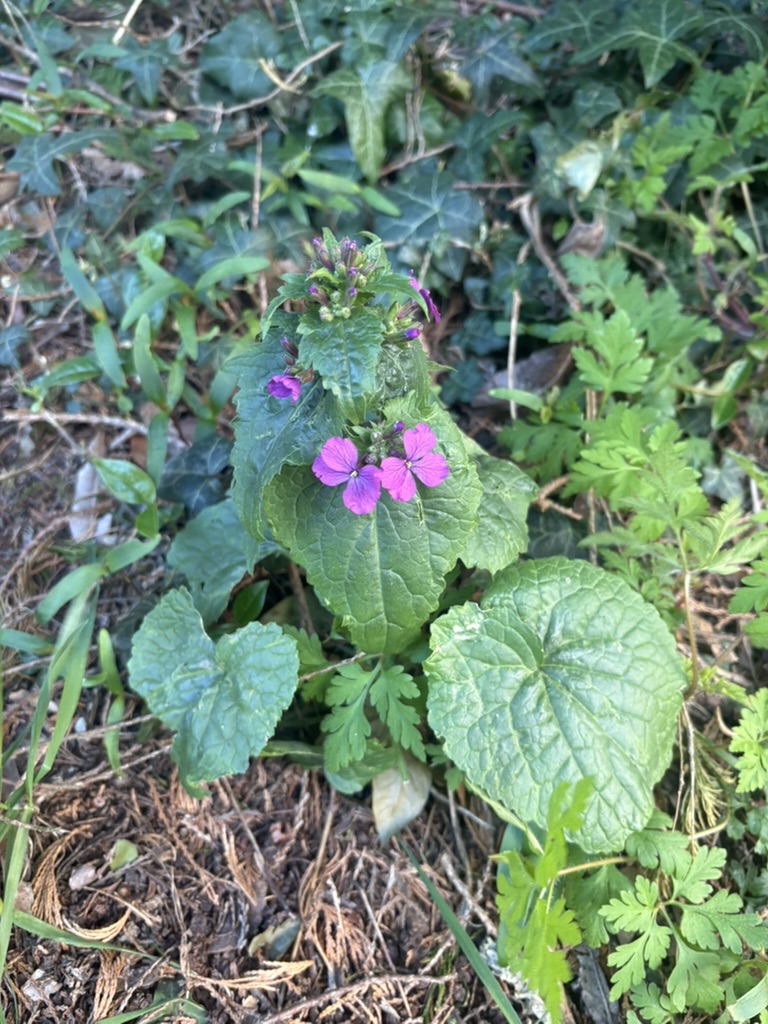
So many plants called out to us as we moved along the path that circles the church. Purple flowered Honesty has been particularly strident this season, when you spot her, make a mental note to return later in the season to enjoy the paper moon-like seed heads that give her Latin name, Lunaria.
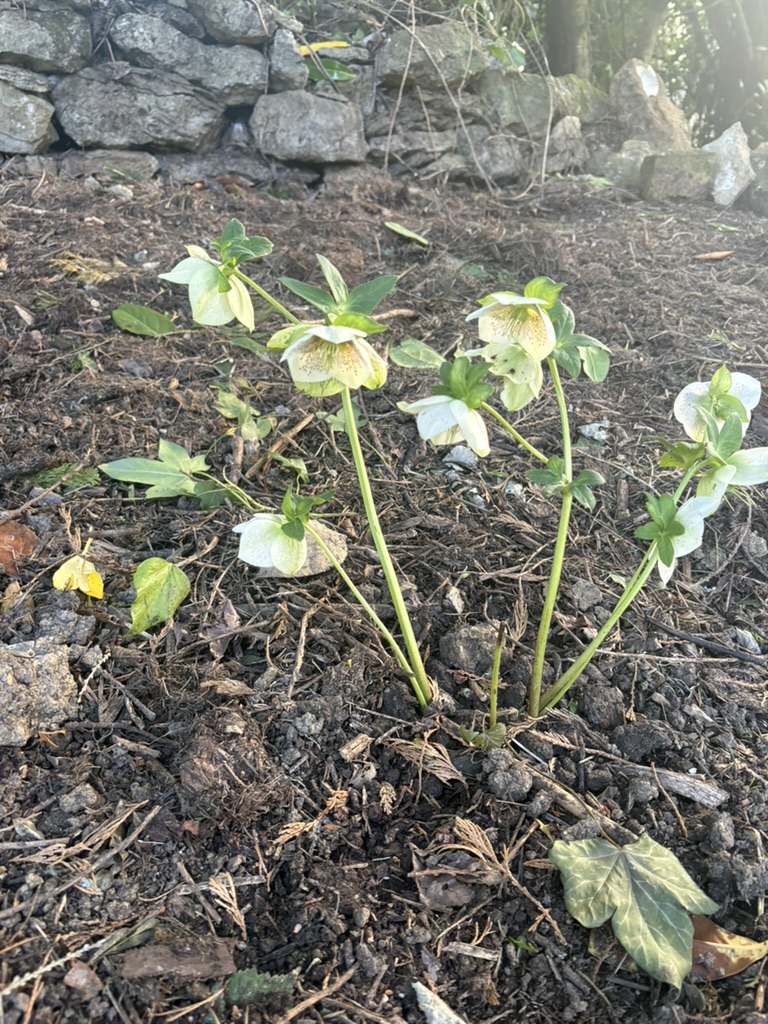
Where the old compost heap had been cleared, hellebores have been planted. A common graveyard plant, perhaps because of their solemn colours of purples and whites, maybe because of the way they droop their heads or possibly just because they’re relatively low maintenance. Certainly because they are beautiful. Unlikely because they are magical – or at least associated with sorcery. Often found in a ‘witches garden’ they would be dried and ground to make ‘vanishing powder’.
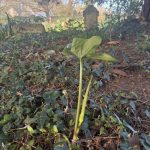
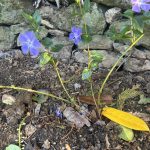
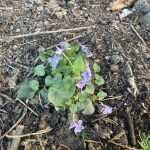
Underneath a yew tree, arum lilies were plentiful, some with their flower heads popping out, clear to see why they are commonly known as ‘Jack-in-the-pulpit’. Beneath the catkin-festooned hazel, vincas and violets were quite at home.
Fruitful visit
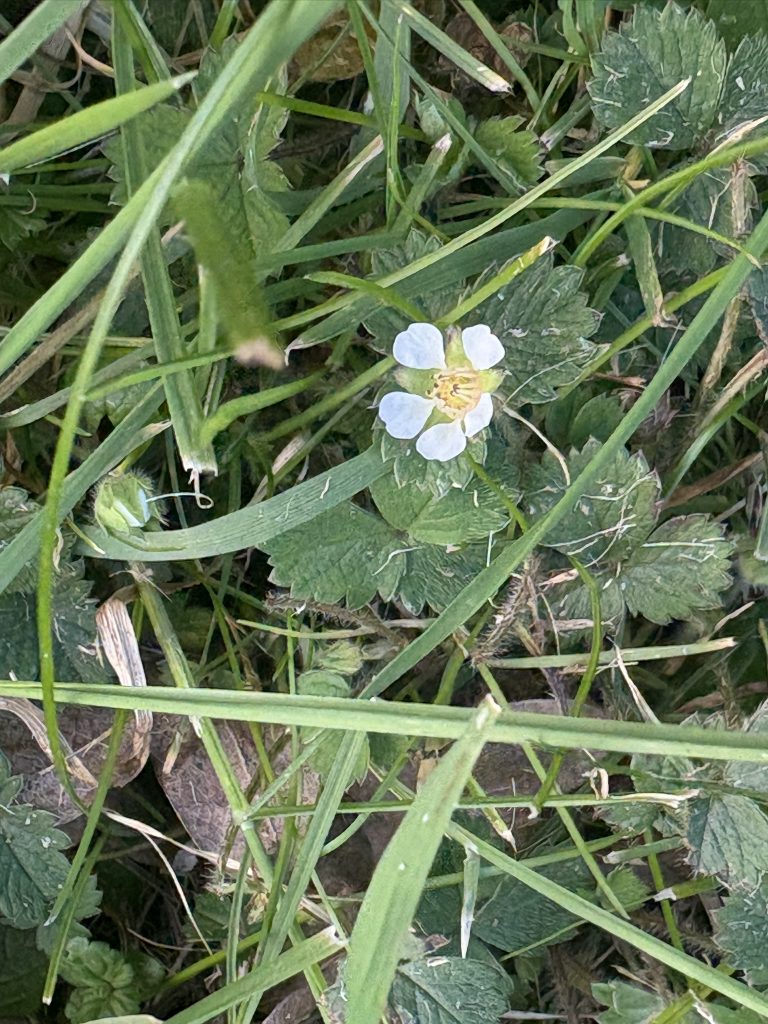
Circling back round to the exit we were delighted to see the joyous site of wild strawberries. Their mini-mounds of three-lobed leaves are currently a base for pretty five-petaled white flowers, but give them time and sunshine and we’ll have tiny little flavoursome strawberries by early summer.
Wild flower bank
Our visit wasn’t over yet, there was still the newly landscaped and planted church field to visit. But we were distracted on the way by the deep bank of wild flowers along the lane, shoring up beneath the church wall.
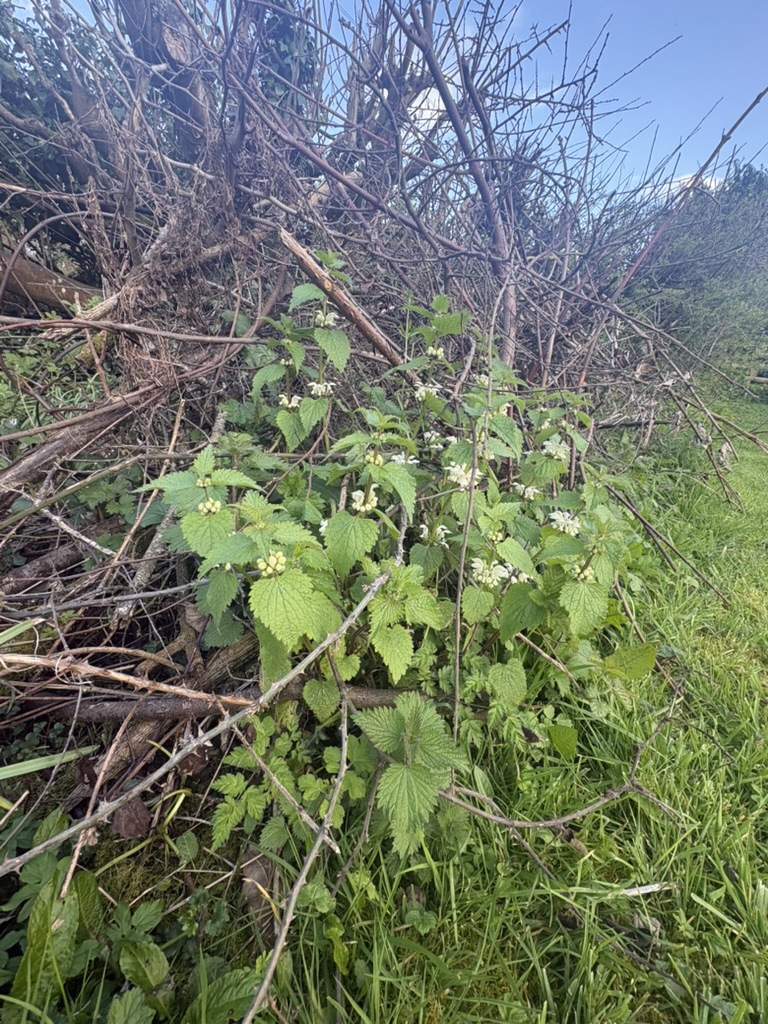
The stars here were dead nettles. Not related to the stinging nettle, although often found close by, dead nettles have no sting. There are different varieties with white flowers (sometimes called Archangel) yellow flowers (Yellow Archangel) and purple flowers (Red dead nettle). They have quite a distinctive strong, earthy smell which is reputed to drive away melancholy. Some of our group were familiar with picking the flowers to enjoy sucking their sweetness, a sure joy-bringer. However, do look out when you’re near the white dead nettle – these are where the fairies go to sleep, if you look carefully you will see two white spots on the flower, that’s the slippers they’ve taken off before going to bed!
Church field
It’s worth making a trip to Stinchcombe to visit Church Field (across the lane, opposite the church), especially if you have children, they’ll love the new play equipment there. Much work has taken place over the past 12 months creating a welcoming space for children and grown ups (including those who can’t resist a go on the swings!).
In planting the flower beds they’ve included a selection of cultivated and wild plants. So red dead nettle has her space, alongside lavender and rosemary. It will be a beautiful intermingling of the local, the useful, the fragrant and the colourful as the plants make their home together.
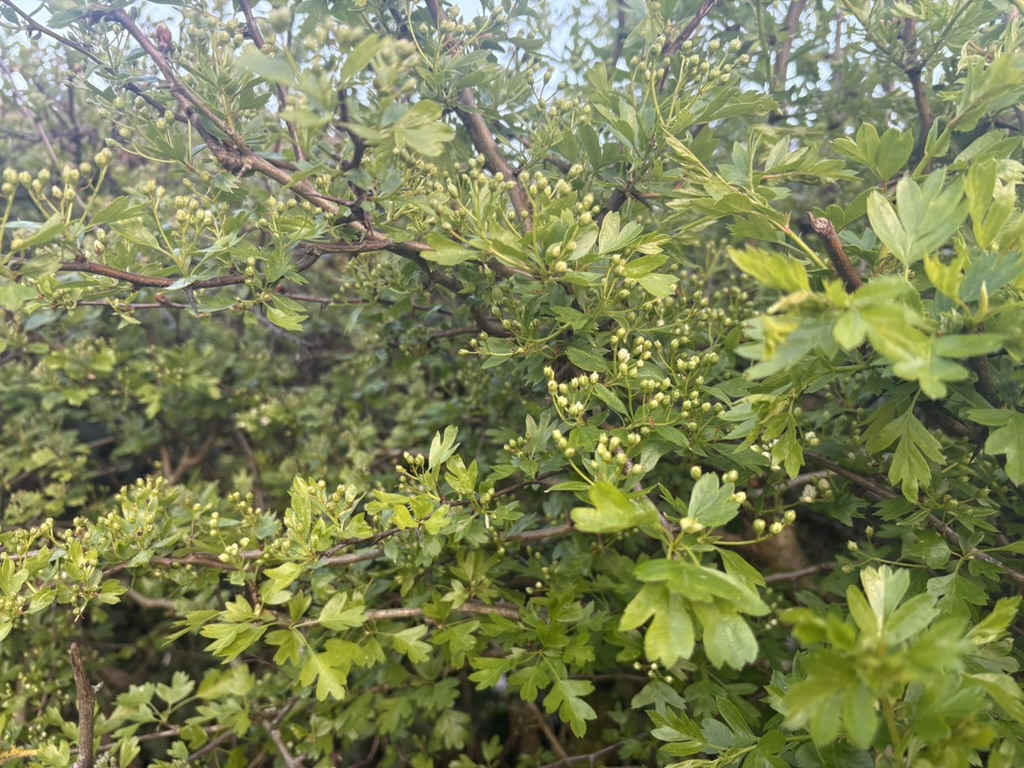
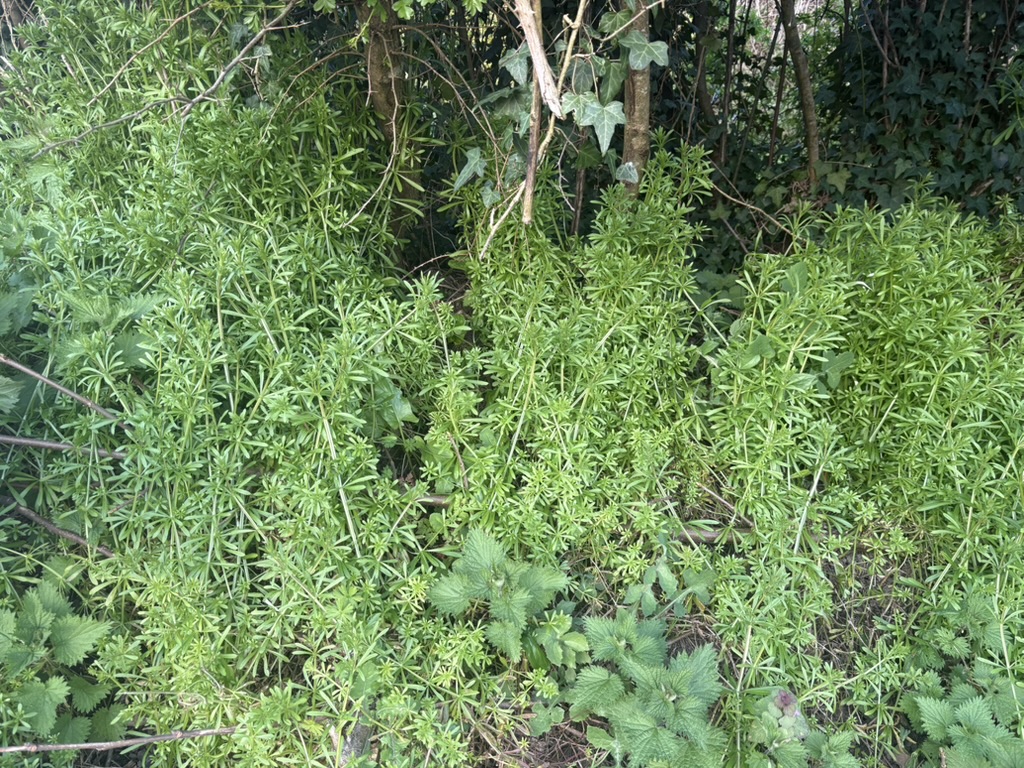
Backing these new beds is the old hedgeline. You can tell it’s age as at the far end there’s a clump of dog’s mercury, a indicator plant for ancient woodland. Just coming into flower we have hawthorn, and scrambling through it all, one of our favourite spring time plants for cleansing, cleavers. You might know her under a different name, she has so many – goosegrass, clivers, sticky willy, etc. – you’ll certainly recognise her ability to cling to everything. When you find a nice fresh patch, take a little to put in a jug of water, it’s as tasty as cucumber and great for refreshing you.
Our herb walks take place on the first Saturday of every month at 10am. All are welcome (dogs and children too) and we’d love you to join us. The walks are free and last for about an hour. We choose a different place to visit each month – always in and around Cam and Dursley – to find out where, check our calendar pages and/or sign up to our newsletter.


Leave a Reply