Category: Herbal Allies
-
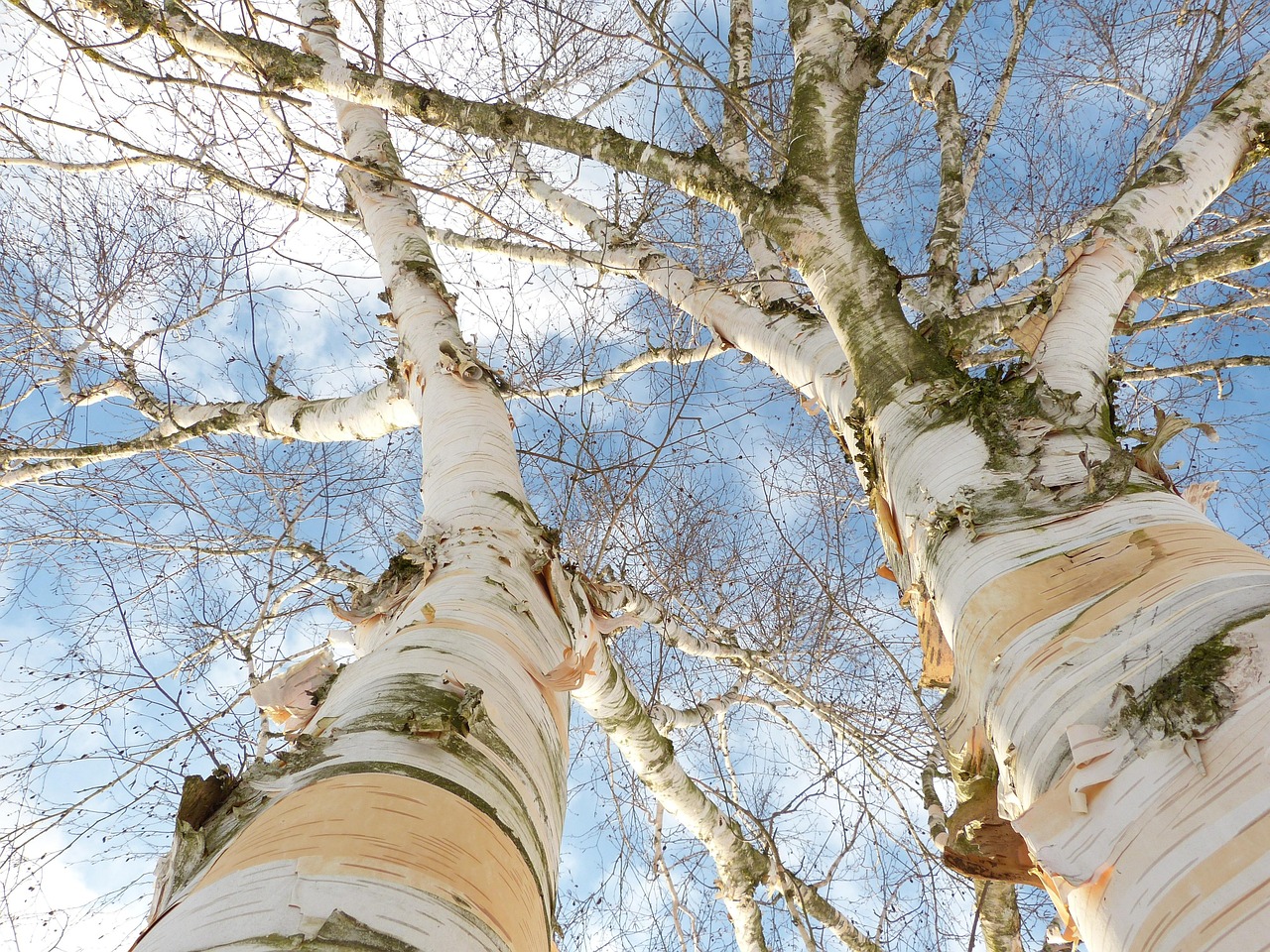
Begin with Birch
Ground never remains bare for long, nature will soon move in. One of the first trees to establish itself is often birch. Young birch trees will grow quickly and provide the shelter that enables the rest of the habitat to develop. This is one of the reasons birch has traditionally been associated with new beginnings.…
-
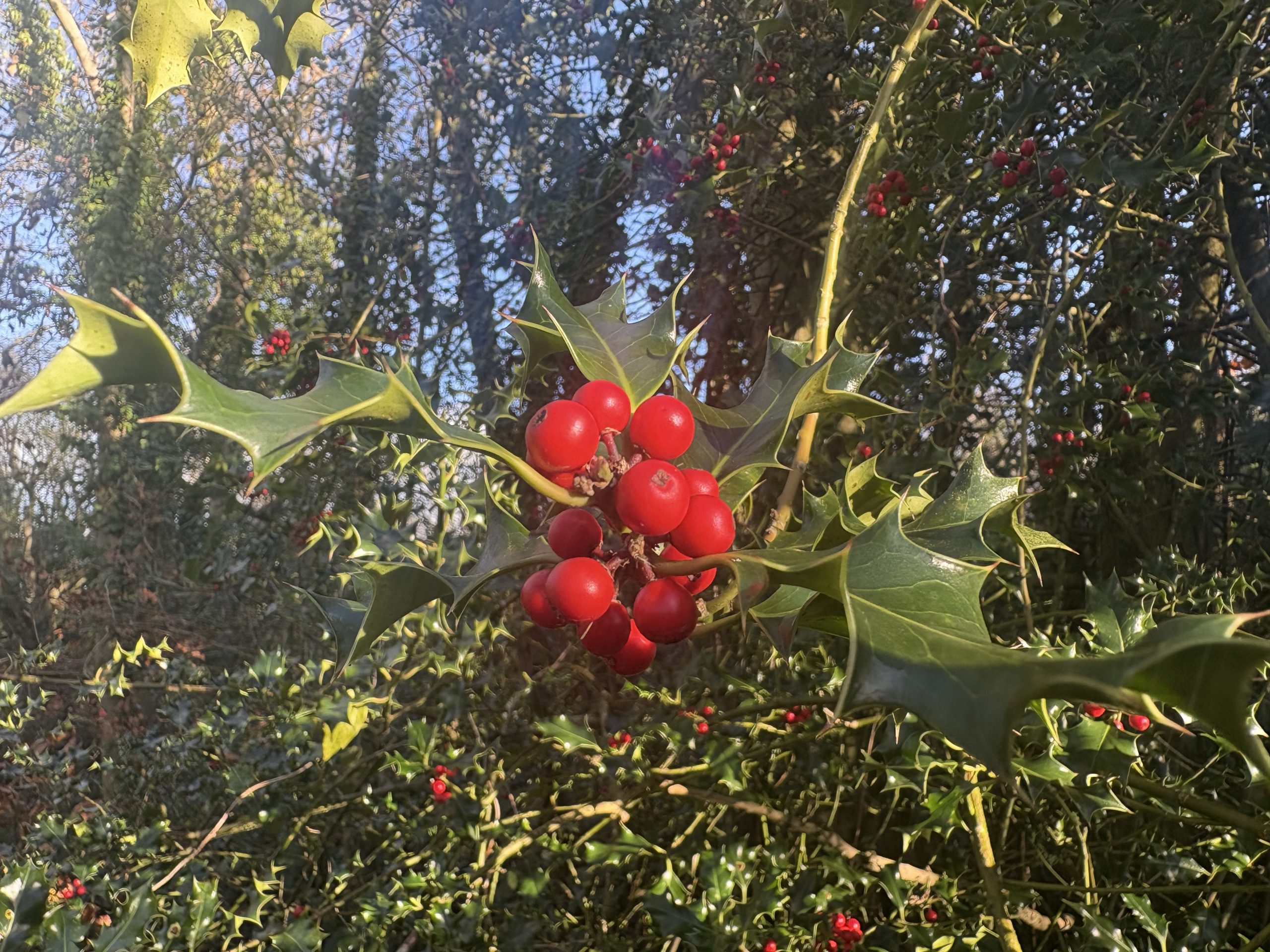
Holly
At this time of the year, our woods are full of sleeping giants. The dark, muscular trunks of beech stand in slumber, their leaves coating the ground with a russet uniform. The green that gives us hope of life ongoing is holly, present on every corner, at every turn – evergreen. Despite her glossy spikiness…
-
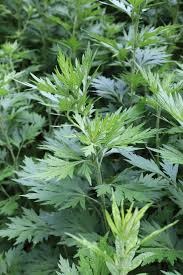
Mother of Herbs
Mugwort, Artemesia vulgaris When running a herb stall at the market, I’m often asked for mugwort, she is a much sought after herb. Though I’m never sure which use she is intended for. There are many applications, let’s look at a few. Who is mugwort? But first of all, getting clear on identifying the plant…
-
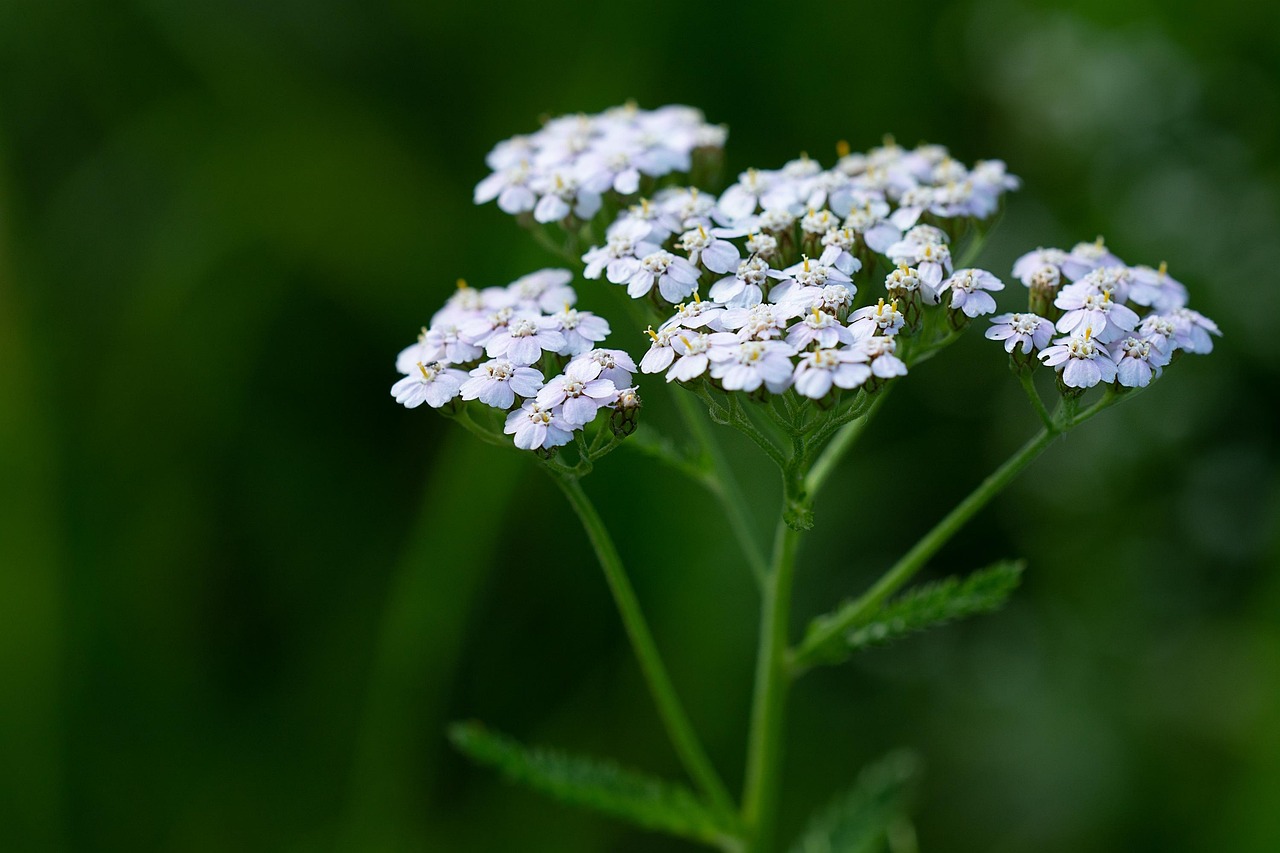
Yarrow
Gardens, fields and hedgerows always look a little straggly by late summer. Conditioned from an early age to start anew in September, we seek out freshness, bright sparks, inspiration. Among the yellowed grass and withered stalks, one summer plant still shines with its white frothy tops and feathery leaves, yarrow. With luck, she’ll be flowering…
-

Lavender
Lavender is one of the most quintessential plants in an english herb garden, and deployed way beyond the herb garden too for scented borders and in flower beds. Those with a lavender-lined path are lucky enough to be daily skipping over a treasure trove of scent. Though, as a relatively common and well-known plant, lavender…
-

Limeflower
Limeflowers from the Linden Tree The name ‘lime’ evolved from Middle English word ‘lind’. Now commonly referred to as Lime trees, and valued for their limeflowers (actually the flower and bract gathered together), historical and folk references to this native tree will typically use the term Linden. For example, Herman Hesse tells a tale of…
-

VE80
On May 8th we mark the anniversary of the day in 1945 when we celebrated the end of World War II. Eighty years on we cling to the peace this brought, hoping our homelands will not again come under threat. In recognition of the countryside we hold dear, here’s a reminder of some of the…
-

Springing Nettle
“…it would be well if people knew how to make use of them. When the nettle is young, its leaf forms an excellent vegetable; when it matures, it has filaments and fibres like hemp and flax. Nettle fabric is as good as canvas. Chopped, the nettle is good for poultry; pounded it is good for cattle. The seed of…
-

Clover story
The clusters of tubular flowers that make up the egg-shaped globes of clover heads (sometimes up to 3cm long) are an eye catching feature of meadows and hedgerows. Although we often wander by without stopping to think about them and the benefits they bring. The happiness of ‘living in clover’ is better appreciated by taking…
-

Cleavers
Whether you know it as cleavers, clivers, goosegrass, sticky willy, organic sellotape, or the botanical name of Galium aparine, you will have come across this delicate yet robust plant scrambling through gardens and hedgerows. Magic appearance Seemingly from nowhere, yards and yards of cleavers stems, prettily decorated with whorls of leaves at neat intervals, appear…