Category: Herbal Allies
-
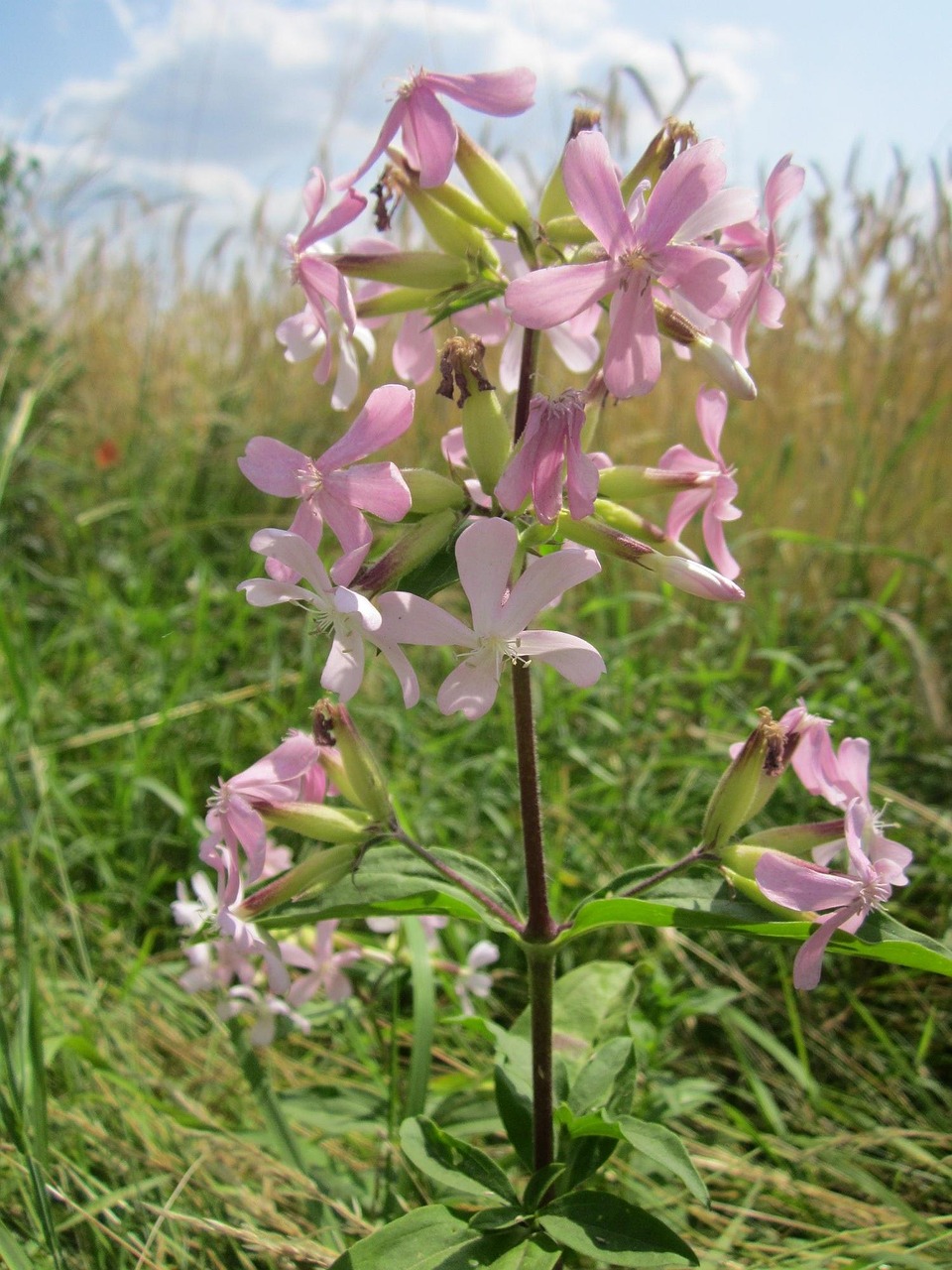
Herb of the Month- November: Soapwort
Saponaria officinalis At the close of the year, energies are drawn inwards towards the earth. For herbs, this means directing resources to their roots, storing nutrients to fortify through the dormant season and ensure energy for new growth in Spring. For herbalists, this means Autumn is the time to carefully harvest roots, when they are…
-
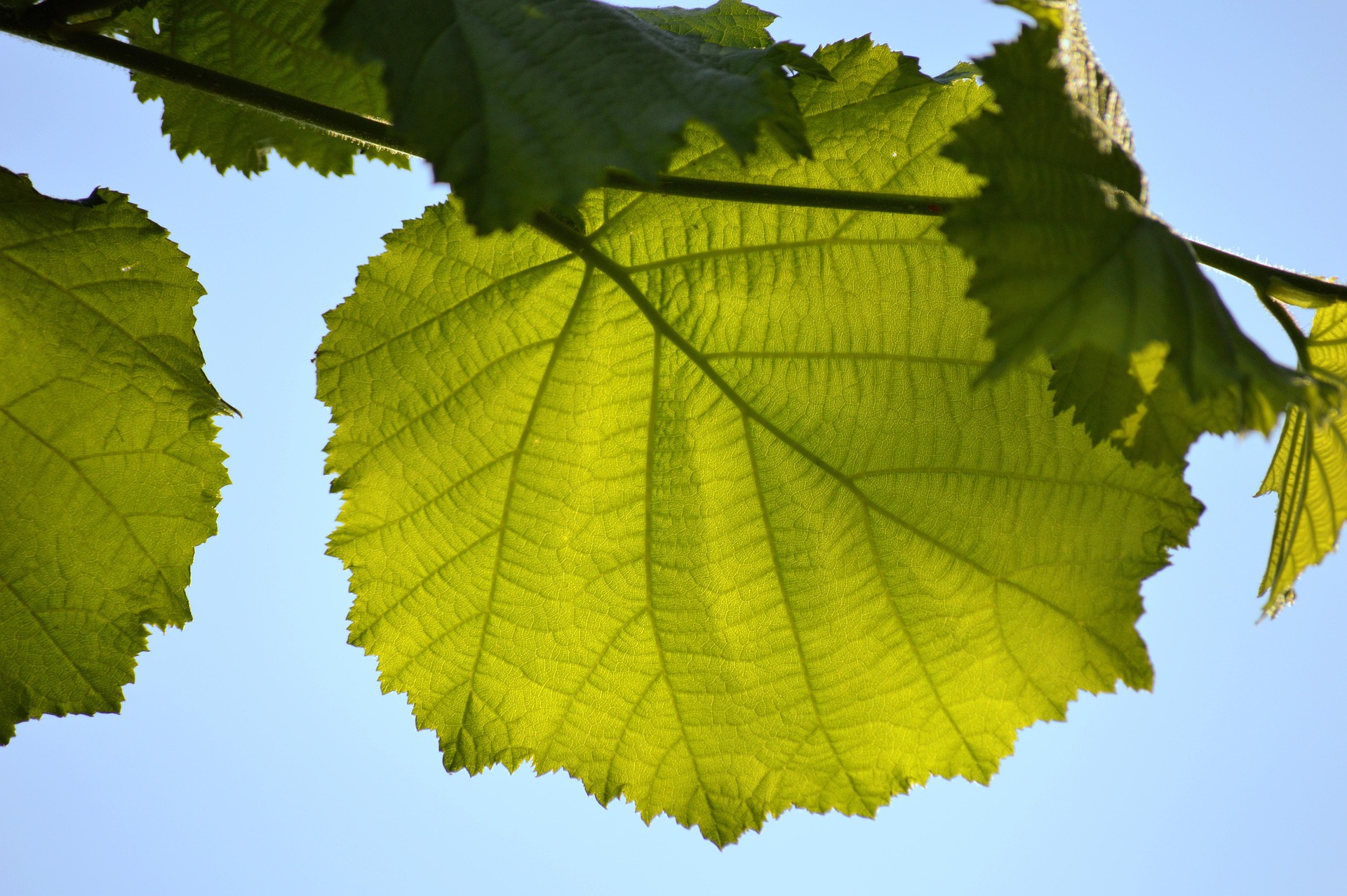
Hazel
Corylus avellana There are various types of Corylus, all of which are edible. Corylus avellana is the Common Hazel, and the tree we will most commonly find in woodlands and hedgerows. The ‘avellana‘ part of her name comes from the Italian province of Avellino where there is a village called Avella. Hazelnuts were the dried…
-
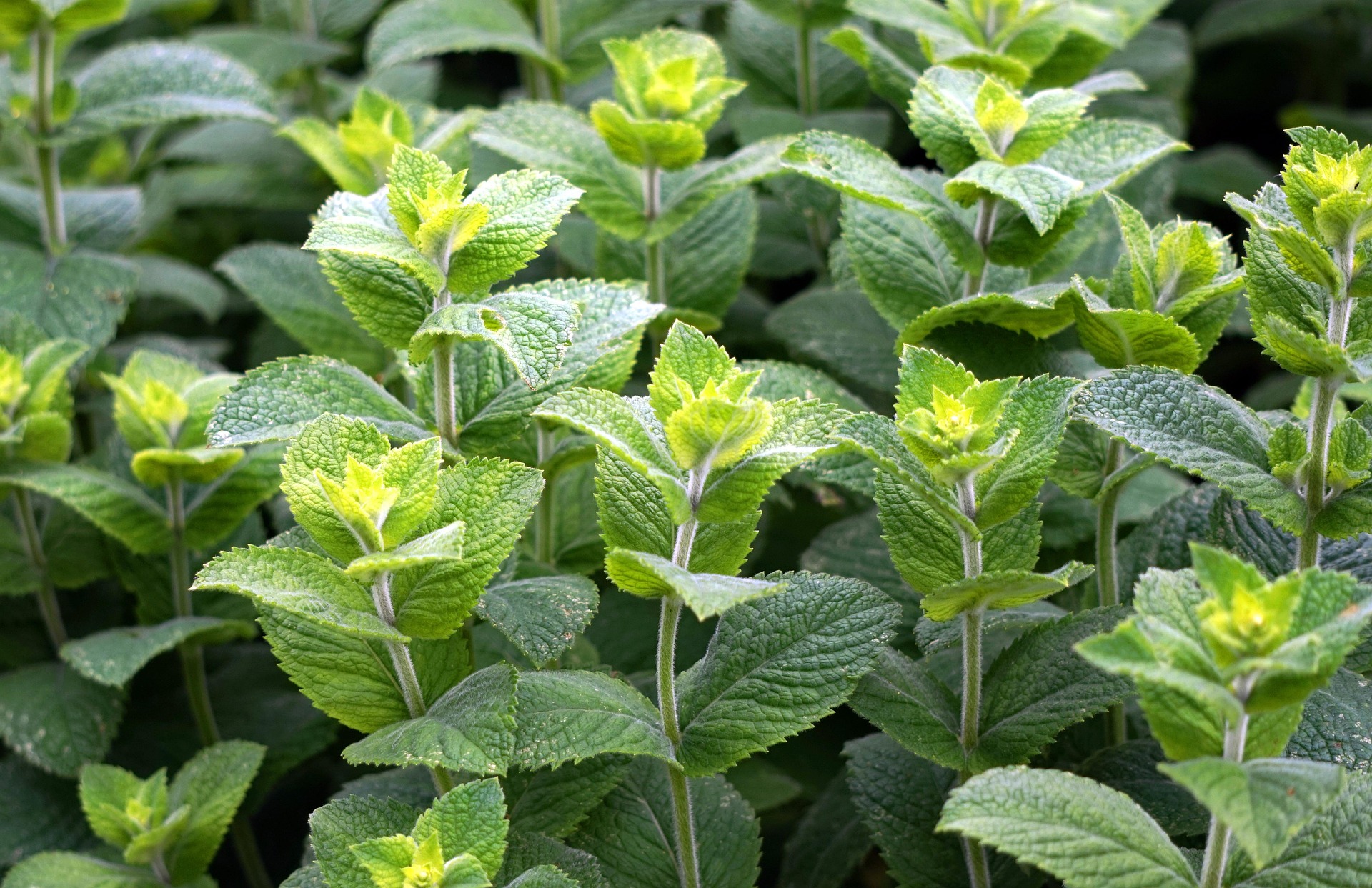
Mint
While there are well over 100 species of mint across all the cultivars and hybrids we may have in gardens and nurseries, they fall into three main categories: Spearmint, Peppermint and Watermint. Spearmint Spearmint (Mentha spicata) is also known as common mint or garden mint. It’s the one you’re most likely to find in a…
-
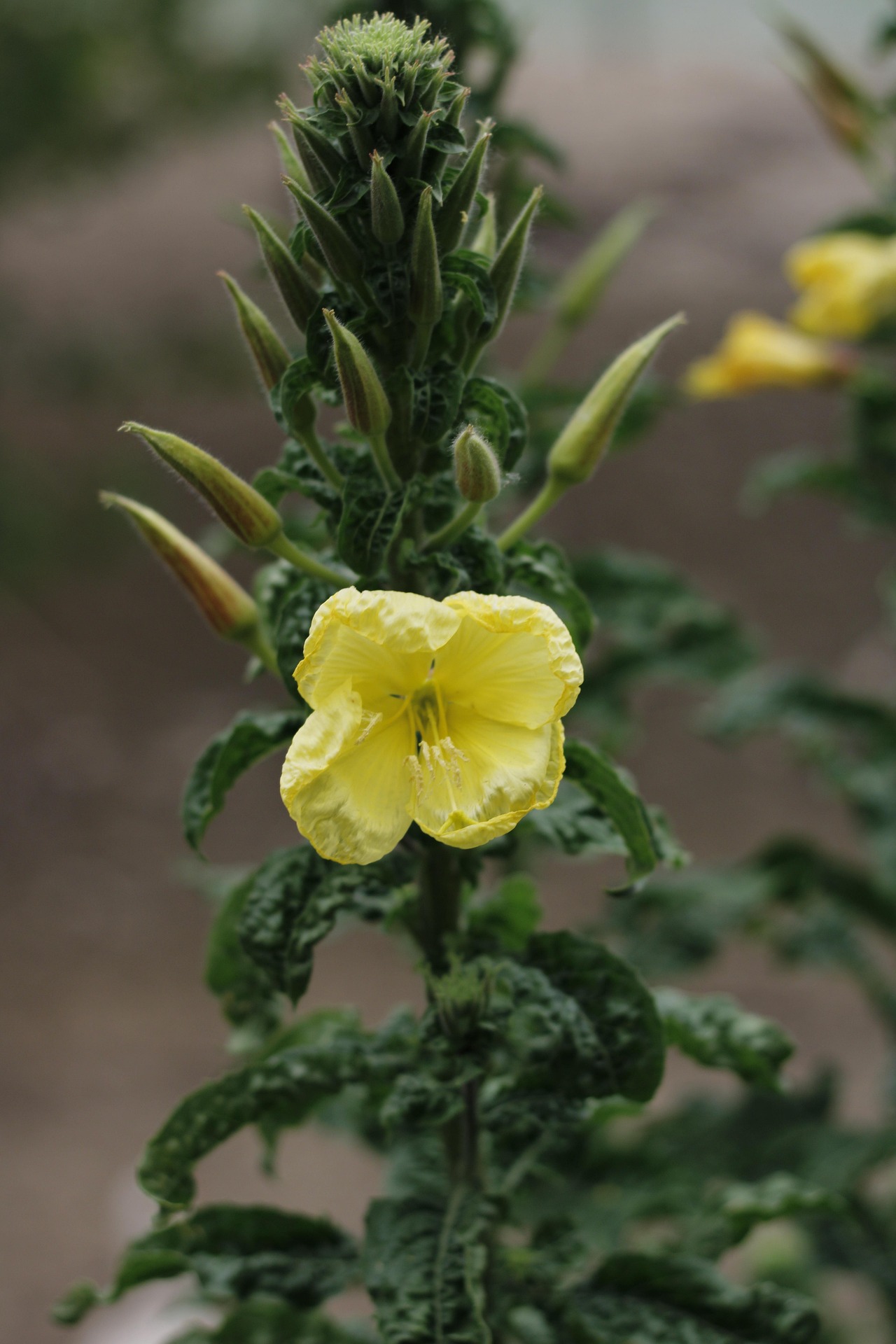
Evening Primrose
Herb of the Month for July: Evening Primrose, Oenothera biennis The herbal year starts with primrose (‘the first flower’) but as we progress through summer, those little ground-huggers are long gone and instead we find the tall spikes of evening primrose. The common name and yellow colour is all these two plants share. A family…
-
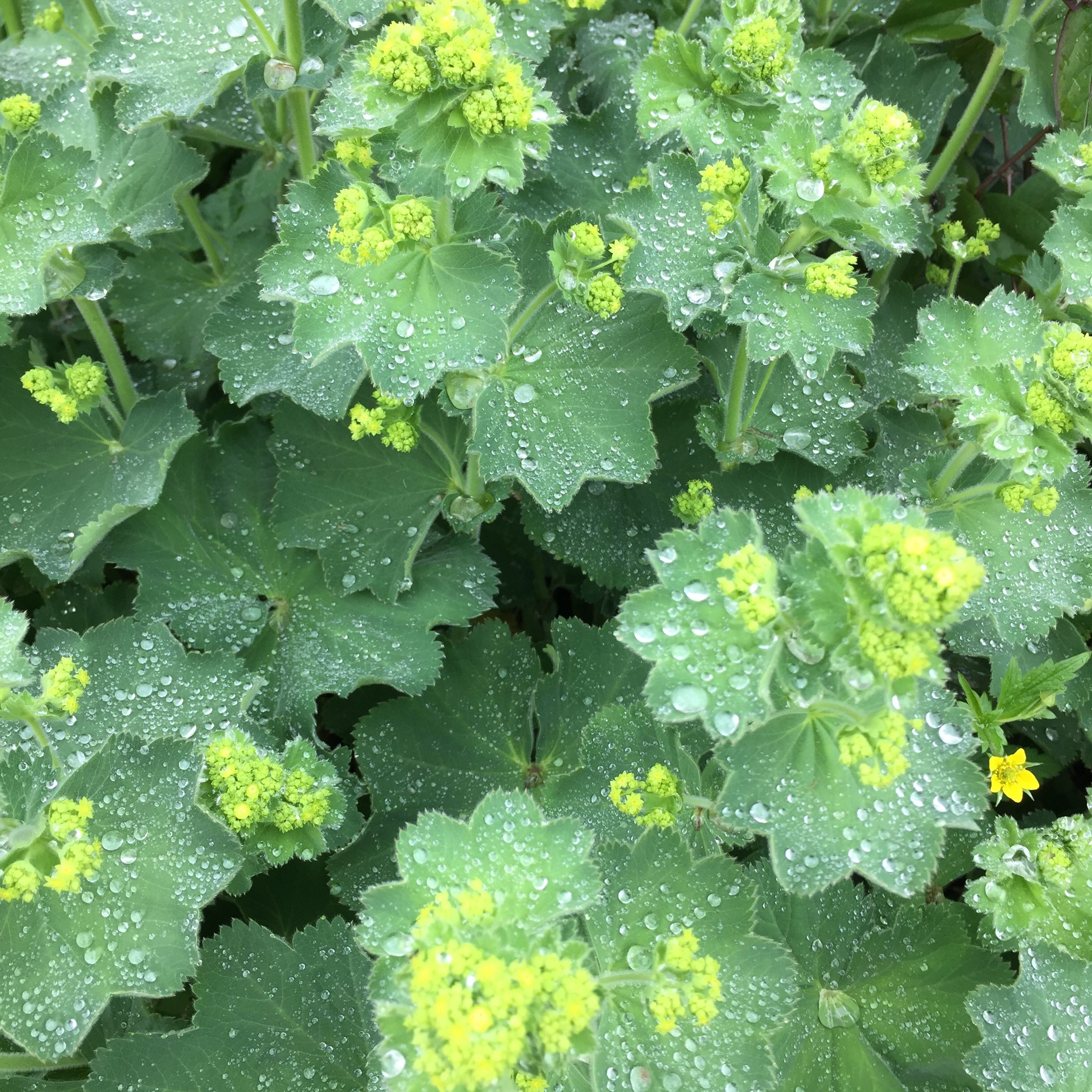
Lady’s Mantle
Alchemilla vulgaris In medieval times, Alchemilla was reputed to preserve youth. Her name means ‘little magical one’, referencing the drops that form on her leaves. This is not dew, but a secretion from the plant herself – an ingredient treasured by alchemists, collected each morning, a drop at a time. Her rounded leaves are pleated,…
-

St John’s Wort
Hypericums are commonly found in gardens and municipal areas, enjoyed for their big yellow flowers. Sometimes known as the ‘happy plant’ it’s not just the joyful blooms that make you smile, there’s also a therapeutic punch in the plant that is preferred by some to off-the-shelf mood improvers. However, for that kind of medicine, it’s…
-
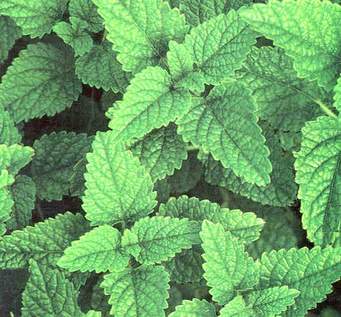
Lemon Balm
To soothe, enliven and restore. There’s a duality in many plants, with lemon balm it’s her ability to both calm and enliven. She will soothe the mind, ease the ache of a broken heart and enable a clarity of thinking, coming to you as a ‘breath of fresh air’. Lemon balm is recommended as an…
-
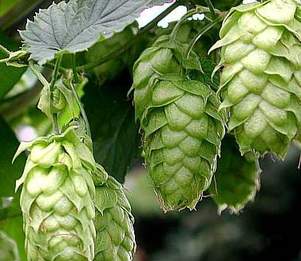
Hopping Down in Cam
Words by Dr Viv Rolfe I was joyed to see the tips of my hop plant coming through this week. The plant was kindly provided by the Hoptician Pub in Dursley last year, but my plant did not grow well enough to create any ales for them. So I’m excited that it is shooting as…
-
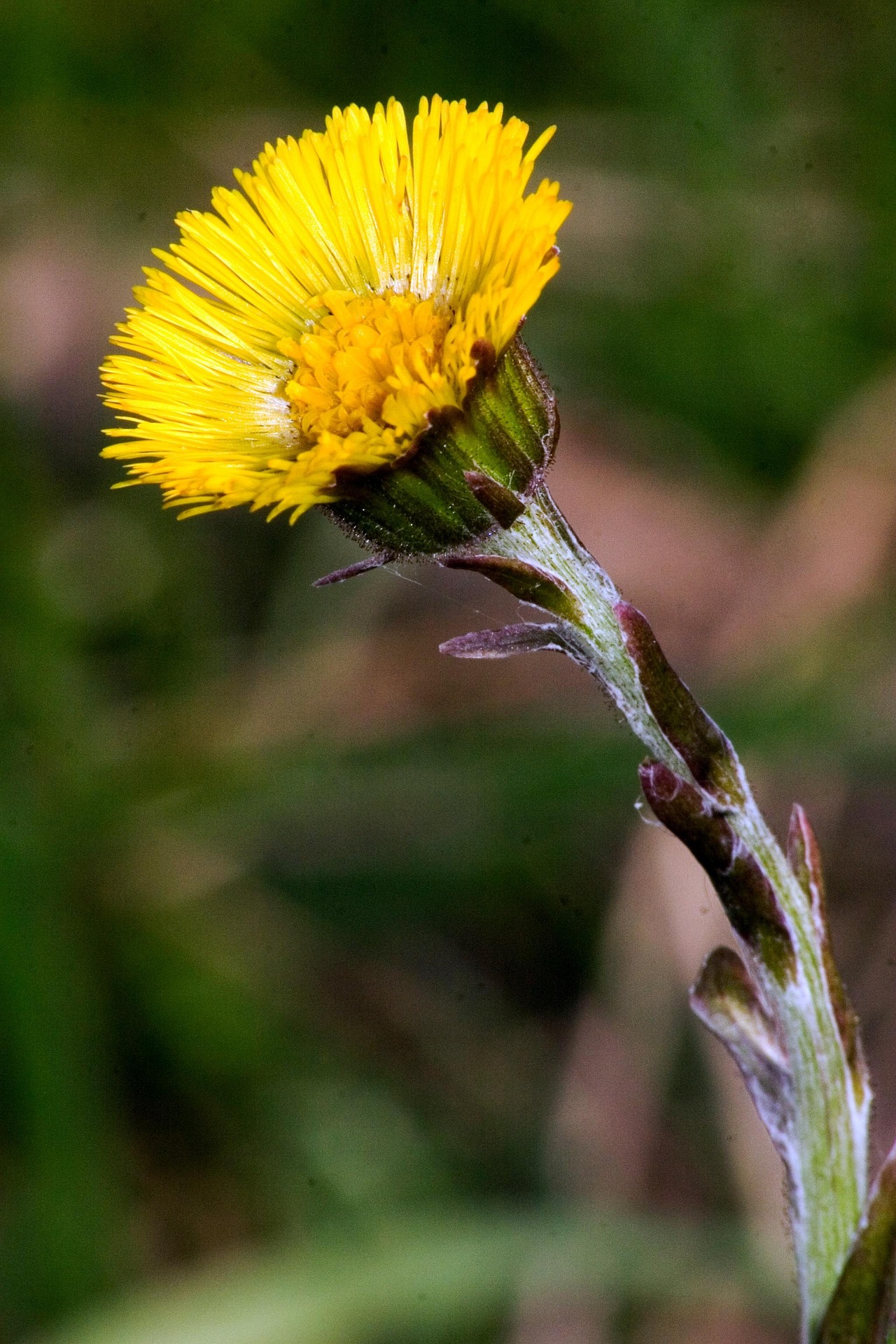
Coltsfoot
Early in the year, round about late February or early March, especially if you’re wandering alongside a stream or river, where there is moist, heavy soil, you may see a yellow flowerhead looking, at first glance, like a dandelion. Take a closer look. You may find, instead of the toothed leaves and smooth stem of…
-
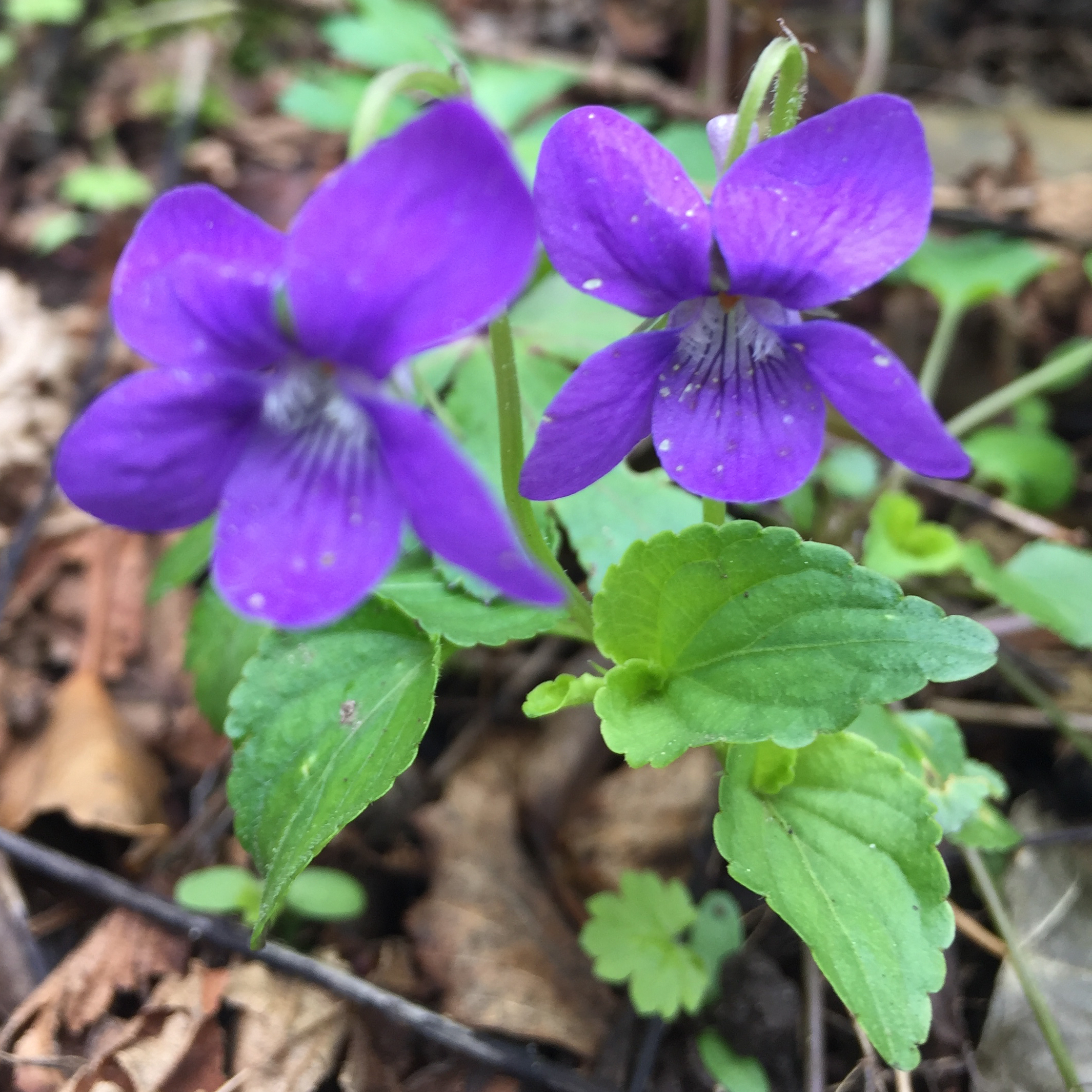
Violets in the Spring
One of the first woodland flowers to bring delight, once the initial flurry of snowdrops is passed, are violets. If you’re lucky, you’ll catch their scent on the air when a patch of their purple or white flowers is nearby. Gerard summed up violets as ‘delightfull to looke upon and pleasant to smell’ John Gerard…