By Dr Viv Rolfe
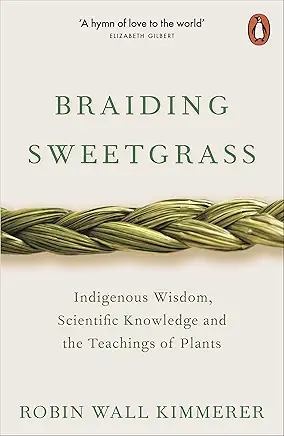
In Robin Wall Kimmerer’s beautiful and amazing book “Braiding Sweetgrass” she talks of her indigenous culture and the deep wisdom held by her people regarding their caring for the nature and the environment.
People lived in harmony with nature and the seasons, taking just enough but no more, being thankful for earth’s gifts rather than seeing them as “resource”, and learning from plants as subjects not objects.
In her time as a teacher she observed that her scientific training had taken her down a different path “I was teaching the names and ignoring the songs” (1).
Why is this relevant to us now?
The global herbal market is enormous and expanding, forecast to reach USD 396 billion in 2031 (2), (compare that to heat pumps, for example, at USD 143 billion).
Many people don’t realise the extent that herbs are used as medicines, food products, flavourings, dyes and colourings, fragrances, and in so many other applications. This poses enormous challenges as many herbs are harvested from the wild, and even the humble dandelion is under pressure (3). With the changing climate, herb farmers are seeking varieties that are better suited to extremes of heat or rain (3).
As these markets grow and herb supplies come under pressure, the commercial challenge can lead to increasing practices of adulteration. Adulteration is the substitution of the wrong plant species, wrong parts of the plant or even synthetic and chemical substitutes into the herb supply. Whether done intentionally or unintentionally it is a large and age-old problem.
One notable example of adulteration was Turmeric (Curcuma longa). We are all familiar with the gorgeous bright yellow spice we buy from the supermarket. In the past, it has been bulked out with lead chromate – do you know what that is? It is a yellow pigment used in paints like those used to make the yellow lines on our roads (4).
What herbal creators need to know
Small local creators typically operate from the heart, wanting to practice professionally and ethically, even while working small scale. It can be hard to navigate the big herbal world from a little local base. I can’t find much support for them to help raise awareness of possible sourcing problems, and to learn the importance of using sustainable and ethically sourced plants.
In Gloucestershire alone, there are many local small businesses who use herbs. These include registered Medicinal Herbalists, artisan herbal cosmetic and skincare producers, those producing essential oils, artisan herbal teas and other beverages, those using herbs in honeys, vinegars and other food products. And those growing who also need to source herb seeds and plants. As someone who runs a very small organic herbal tea business, I’m keen to get things right.
Where to start
These suggestions are very much based on my previous working life at a medium-sized herbal tea and supplement business, and what I have tried to adopt as a small herb creator. I would not say I was an expert and I am sure I am missing things, but my intention is to provide us with a starting point.
Is the herb endangered?
Herbal Reality have a helpful checklist (5). For example on the critically endangered list is Rhodiola (Rhodiola rosea) which is a very popular adaptogen found in herbal supplements. Other at risk herbs include Arnica (Arnica montana) which is threatened by over-harvesting from the wild. If you are using any of the herbs listed here, perhaps you can find a substitute?
Look for organic certification
Organic is the most obvious certification to look for. As an idea it is a complex one involving many steps for growers and farmers, from working with the natural environment, using organic manures, removing synthetic chemicals such as pesticides, and minimising pollution and waste – this is not the complete list but you can read more here (6). Considering pesticides alone is challenging as organic land can acquire pesticides from other locations, hence land and products require almost constant testing from harvest through to production. In my experience within a large manufacturer, a herb journeying from “crop to cup” could be quality tested 30 or 40 times.
Look for third-party certifications
These include third-party verifications from organisations like Organic, FairWild and Fair for Life. They verify suppliers in a way that supports the growers and their communities, and for FairWild, offers better protections to biodiversity. Can you purchase herb supplies that have these verifications?
Use trusted suppliers
If you cannot purchase your herb supplies with these certifications, use a supplier that looks well-established and you can trust. Do they have direct contact with their growers, and is all well with the farming and land? Do they have a commitment to gaining organic or fair supplies or certifications for their products? Beware “greenwashing” which are untruthful claims that companies may make to suggest they are more environmentally conscious than they really are.
Do not buy online from un-verified sources
Do not purchase herbs from the internet as they could be anything. I used to do research with Westminster University and master’s students would test the quality of herbal products bought online. I would say without exception – and we tested many products over the years – the majority of supplements or raw herbs purchased were not high quality, and many were not what they reported to be at all. Here’s a typical paper on St John’s wort showing the considerable problems of spiking with food colouring and using plant materials that were not SJW at all (7).
What can you grow yourself?
If you are using herbs in tiny quantities, you may be able to grow your own or forage (legally and safely) to gain enough material. This could be a great way of cultivating your gratitude and showing reciprocity in practice. In products that are regulated like cosmetics or food, you will need to pay for quality testing so it may be a more expensive option. You will need to invest more if you wish to grow plants certified as organic, or to certify your product as an organic once on sale.
Singing the plant songs
We are a long way from singing the songs of plants, but thinking about the sustainability aspects of our businesses is at least a start. There is so much else to think about with regards to packaging, and business operations etc. For my own tea company I use a trustworthy organic herb supplier, I source from companies who are B Corps and working to higher ethical and environmental standards, and use packaging materials that are biodegradable where possible. I promote the benefits of brewing with loose herbal tea that is compostable, rather than teabags containing plastic.
As Herbal Reality suggest:
“Sustainability in herbalism means to practice herbalism in such a way that the future of herbs, the planet and the people involved is guaranteed and thriving” (8).
I would go even further and include gratitude, reciprocity and learning from nature, all of the principles Robin discusses in “Braiding Sweetgrass”. We really need to go back to basics and renew our relationship with the natural world. Otherwise we are just placing a sustainable sticking-plaster over some very deep wounds.
Articles mentioned and useful resources
(1) Kimmerer, R. W. (2013). Braiding sweetgrass: Indigenous wisdom, scientific knowledge and the teachings of plants. Penguin Ecology. P43.
(2) Mordor Intelligence (2026). Herbal medicinal products market.
(4) HerbalGram.org (2026). BAPP Publishes Scoping Review on Turmeric Rhizome/Root Powder.
(5) Herbal Reality (2023). Herb species sustainability guide.
(6) Soil Association (2026).
Leave a Reply