
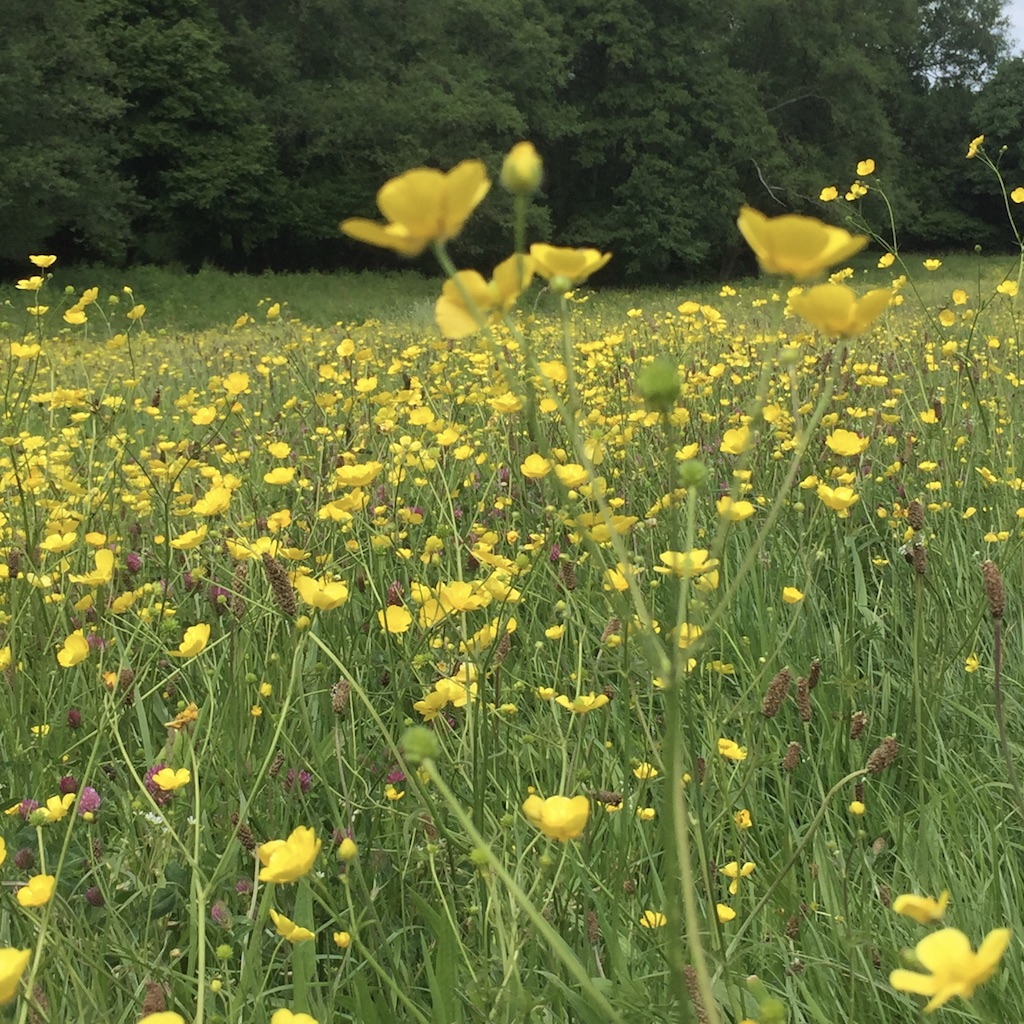
We’ve reached the time of year when green shoots entice us outdoors more, and their growing abundance may lead to ideas of gathering and foraging.
Our definition of herbs as ‘plants with a purpose’ recognises the many ways herbs can be used for medical, creative, culinary, utilitarian, or other purposes. However, we’d still caution care when considering which plants, how to use them and whether or how to gather them.
Plant spotting
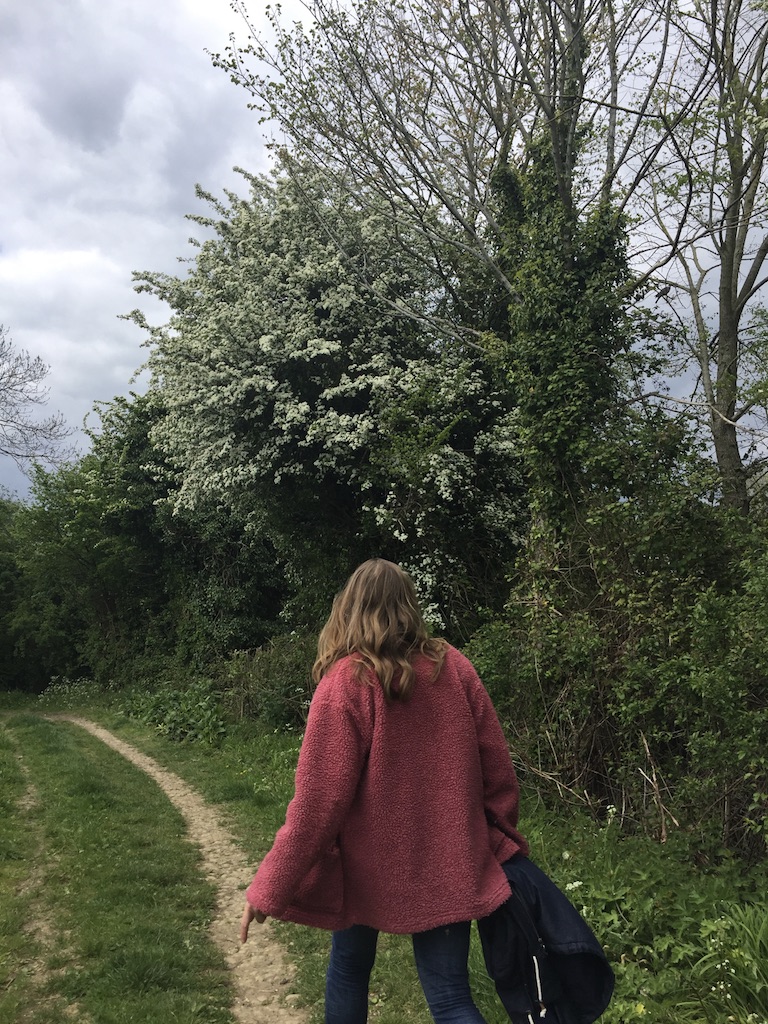
A herb walk is all about getting to know our local plants. There’s more about herb walks in this blog, but a key difference between a herb walk and a foraging walk is that we don’t gather plants. Our mode is more observation, conversation, with maybe the occasional testing of smell or taste when we know it’s safe to do so. The fascination is in the range of plants we find and their changes through the seasons.
There will typically be a broad spectrum of sizes, from tiny weeds to towering trees and we’ll share what we know of the ways these plants have been used traditionally, referred to in myths and stories, or their properties, and the energy associated with the plant and beliefs this leads to.
Sometimes it’s as much about which plants to avoid, as which to gather. For example, most the medicines used today have originated through compounds found in plants. Fascinating to see their natural source and be able to recognise them, but leave how to use and dose them to a trained herbalist.
Identification
When curious about a plant, take a photo to find out more. For those with iphones, our top tip is using the information (“i”) feature they offer. If your phone recognises the image to be of a plant it may give you a leaf symbol instead of the ‘i’. Roughly four out of five times one of its name suggestions will be right. Certainly not infallible, but a useful starting place.
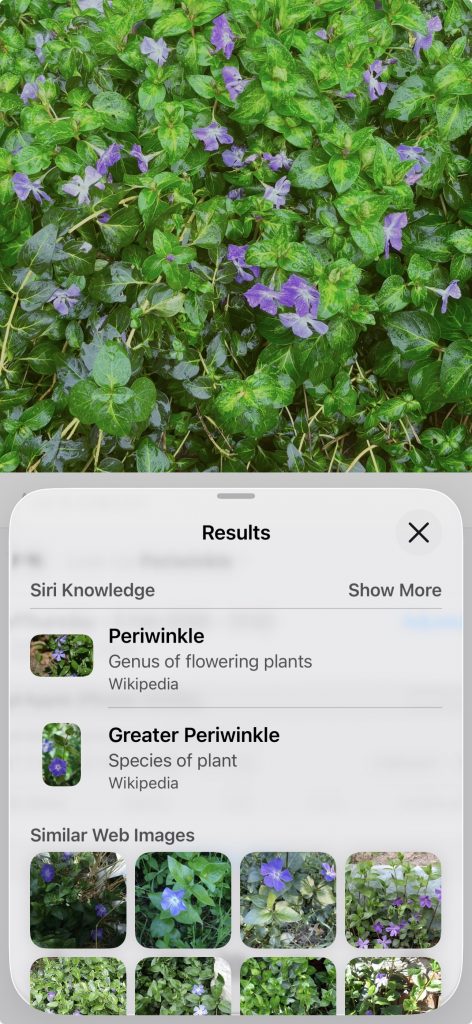
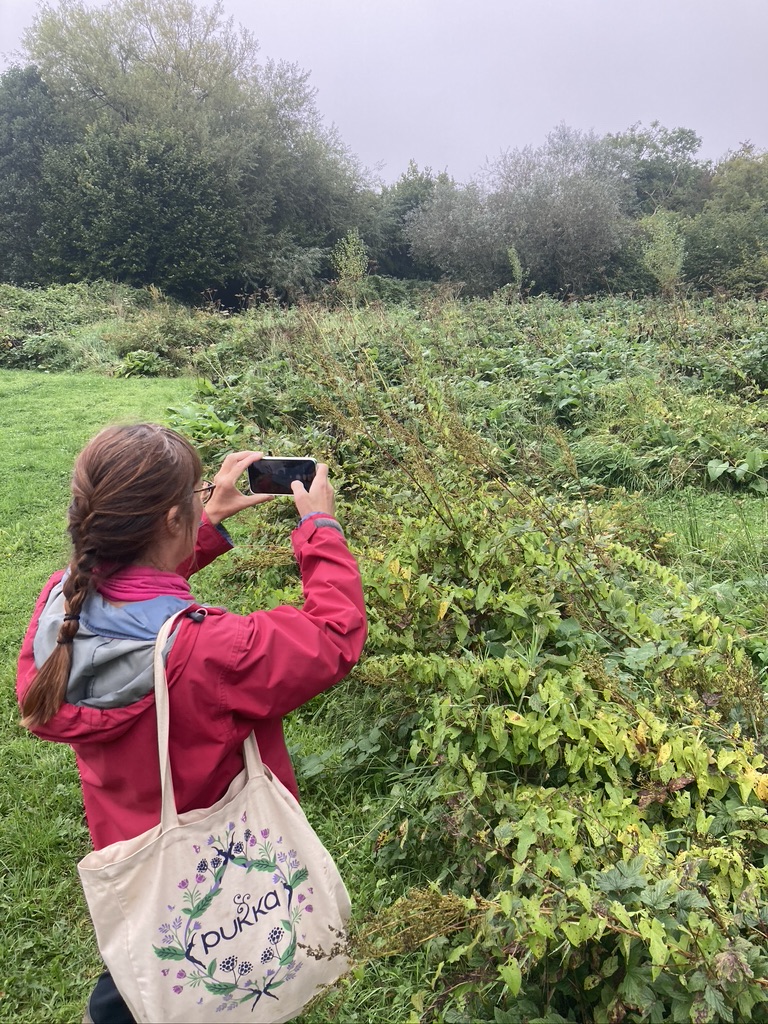
If prepared, you’ll have a plant ID book or field guide with you, but if not you can always take a photo and do the detective work once you get home. Far better than picking the specimen which could too easily end up getting damaged and being unidentifiable by the time you remember to check it.
However, when you get in close for a photo, be careful not to damage things in the surroundings. Pushing aside another plant to get a better shot is the equivalent of leaving a window open with the change it can bring about to the plant’s microclimate.
One advantage of taking photos (especially if you make notes alongside) is the chance it gives to return and find the plant in different seasons. Returning to a plant, or even giving it a quick nod or glance as you pass by another time, are ways to build acquaintance with them. Before long you’ll be looking out for all your friends along your favourite paths.
Act with moderation
When there is a plant you recognise and know how you will use, it’s lovely to be able to gather a little. The general rule here is only take one for every twenty. Once you have gathered, someone following behind should not be able to realise you’ve been there.
Sometimes you get lucky and find an abundant patch, a bush full of berries, tree full of blooms, or a meadow strewn with a herb you know and recognise. Always leave some for other people and some for other creatures – the birds, mammals and insects that rely on these plants more than we do.
This rule applies whether its blackberries, flowers, leaves, nuts or whatever you’re gathering.
Rule of thirds
A key thing to know and remember, before getting carried away, is that any time you spend out gathering is only a fraction of the time you’ll need to make use of what you’ve gathered. Allow twice as much time once you’ve returned with your basket or bundle to process your finds and make them useable. This will include cleaning, sorting, peeling, crushing, chopping, cooking – all the things involved in turning a plant into something useful.
Annual cycle
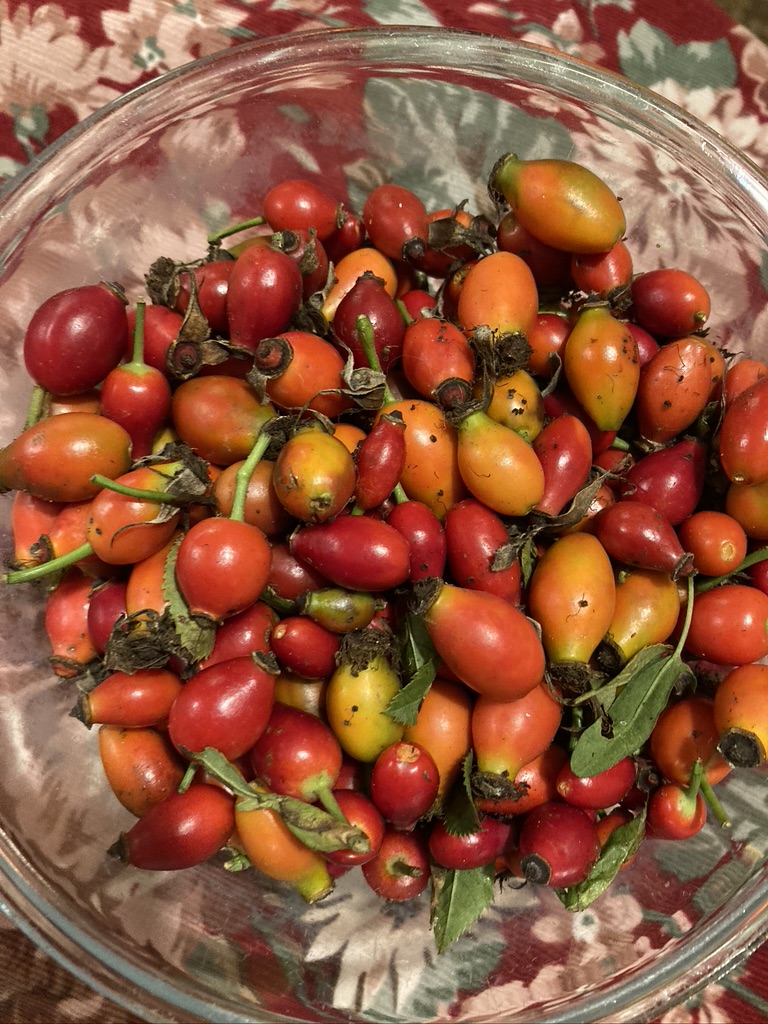
It’s fascinating to see plants progress through their natural cycle from seed to sapling, to flourishing, blooming, fruiting and setting seed. Through each of these stages the plant is directing its vital energy in different ways. It’s good to be aware of these changes to gather your resources at the optimal point.
As a general rule of thumb, leaves will be most vibrant in the spring, and in some species you’ll find a real difference in leaves through the seasons. For example, a very young beech leaf has a bright, juicy flavour reminiscent of a granny smiths’ apple. As soon as those leaves mature they lose any temptation to nibble on them. Also, oak leaves gathered in spring, summer and autumn make very different wines that really bring out the character of each season.
Flowers and blossoms are best gathered as soon as they open, or even while still in bud. Try to do this late enough in the morning for any dew to have evaporated but early enough (before midday) for the sun not to have drained or dried them.
Seeds will follow in late summer or early autumn and after that time, the plant will direct energy to its roots in order to sustain it through winter. Harvesting roots then will get the sweetest, juiciest samples. However, for these parts of the plant, see our notes on ‘special conditions’ below.
Special conditions
It’s often fascinating to us how many parts of a plant can be useful in different ways. Alongside the general guidelines on picking plants (or not) there are things to bear in mind about specific parts of plants.
Bark
Think of the bark of a tree as equivalent to our skin. So taking bark is like stripping the skin from the tree, it creates a wound. You’d likely see gooey resin seeping from the tree – in fact, in some cases, this is the object of removing bark – this is equivalent to the way our white blood cells rush to heal a wound. At best this may take vital energy from the tree, at worst it creates the possibility of infection, infestation or other damage that could be life threatening. So the advice is, do not take bark from the tree, if you’d like to gather a piece, search the ground for any that may have naturally fallen.
Resin and sap
Some traditions make use of the excretions from a tree, with resin often sought in summer when it is warmer, more liquid and therefore freer flowing and sap gathered early in the year when it is rising through means of ‘tapping’ the tree. These are both practices that can be harmful and depleting to the tree so should not be carried out unless given permission from the tree’s owner, and the tree itself.
Roots
Roots are typically gathered in autumn when they will be packed with starches and sugars. However, this puts severe strain on the plant that can seriously threaten survival. Roots should never be gathered in the wild. If you do want to gather roots, grow your own stocks of the plant to harvest at home. When you do so, never take more than a third of the root, then replant and feed. Be warned that roots can take a lot of cleaning, they have wrinkles and crevices where soil lodges, it’s never a simple task. Some roots should be kept whole and intact (like ginger, so you grate a little as you need it); other roots need to be chopped small while still fairly pliable, as they become rock solid when fully dry (like soapwort). If you fancy trying a root harvest, start with the dandelions in your garden and make your own home grown coffee.
Seeds
Most plants produce far more seeds than needed. It’s a numbers game and their task is survival. The seed pods are often really attractive so well worth leaving for their winter beauty, as well as for the birds. It’s also fascinating to study the different seed dispersal mechanisms deployed by plants from twisting, propelling, shaking, floating, sticking – they are creative and inventive beings. You might want to gather seeds for future propagation, for eating (nettle seed is a superfood in itself) or for some other purpose, but do always be very aware of the precious thing you have in a seed. Seeds are the life force of a plant, if you have a seed you have the potential for a whole new plant to grow. Be sure, therefore, that seeds do not end up in places the plants shouldn’t be. Consider, for instance, where the seed will prosper (soil conditions, aspect, water) and who it would be near – would an incomer dominate or be out of place, affecting the incumbent plants? We have come a long way from the excited plant hunters who would bring all sorts of exotics back from their travels, suitable or not. Now special regard should be given to the suitability of any seed introduced to an area for whatever purpose.
The legalities
Most the plants we talk about on herb walks will be quite common, it’s likely their ubiquitousness that has caused people to get inventive in using them, or their accessibility that means we pick up on the plants’ energy and characteristics. However, occasionally there are plants that have a special rareness or scarcity, even if they may have been more abundant in the past. A local example could be the Belladonna (Deadly Nightshade), that was once gathered for medicinal use on Stinchcombe Hill but you’d be hard-pressed to find any there now.
Schedule Eight
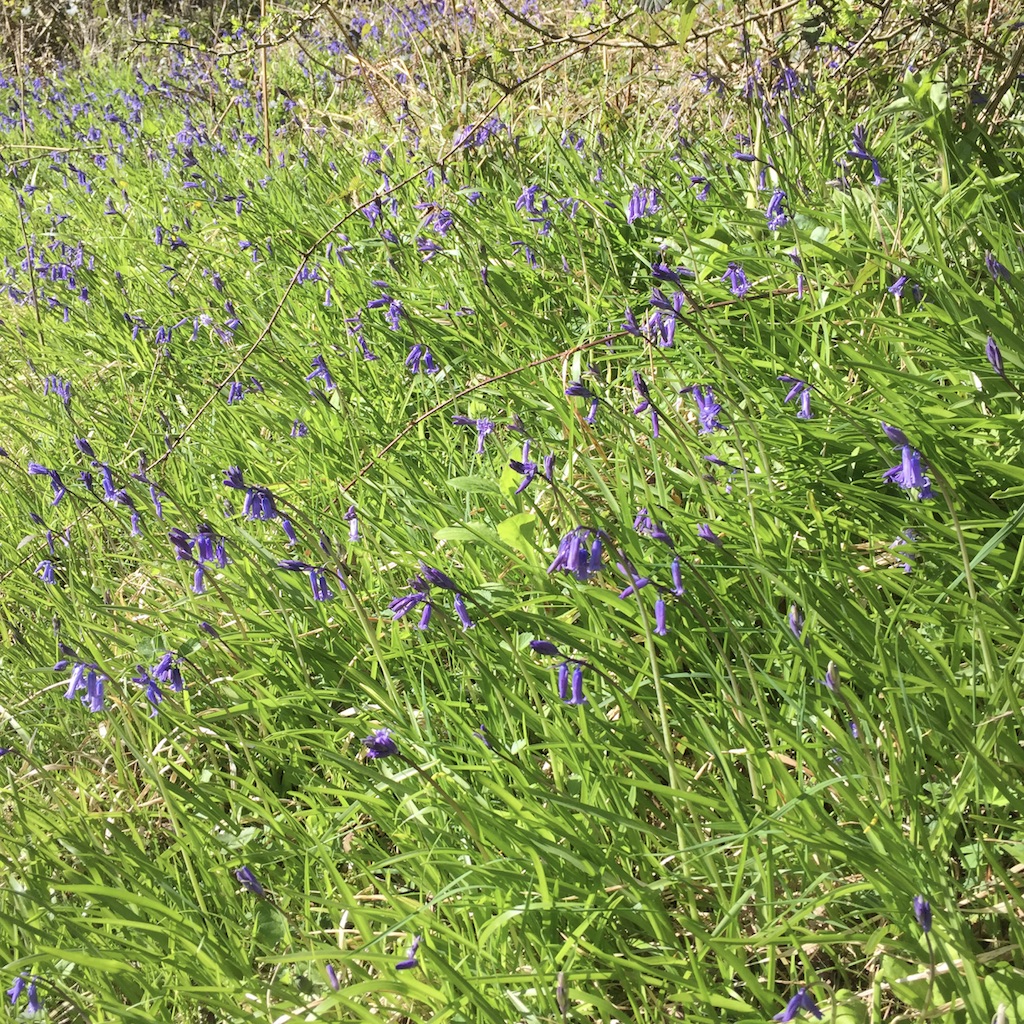
Plants that are recognised as requiring protection and certainly not to be picked are included in Schedule 8. Our native bluebell is among the plants on this list.
Sites of Special Scientific Interest
The limestone and chalk grasslands that we live among are one of the landscapes that often have areas classified as Sites of Special Scientific Interest (SSSIs). These are designated areas that are being managed and conserved for their biodiversity, either due to the whole ecosystem or particularly because of a plant, insect or animal species that is present. For example, the Cotswolds is home to some rare orchids, and to special plants like the pasqueflower. On all SSSIs, whatever their designation is for, it is illegal to pick vegetation. Even if the plant is abundant, like cowslips on Stinchcombe Hill, they’re part of a valuable and fragile ecosystem so should be left to enjoy their place in it.
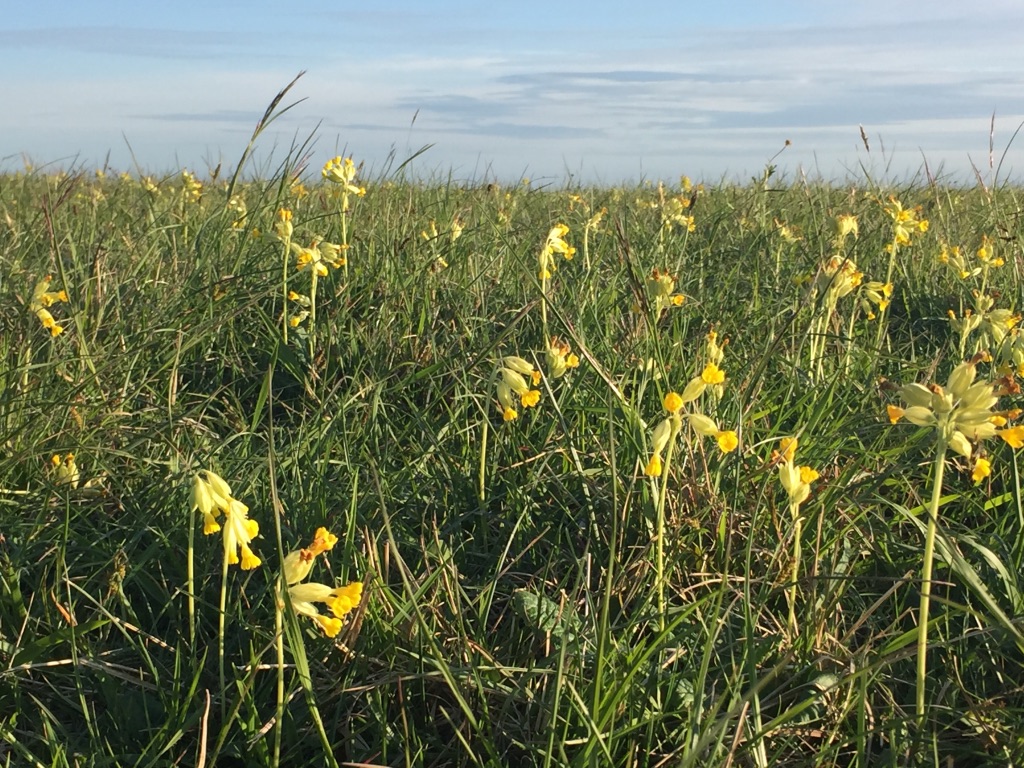
SSSIs in the GL11 district include Stinchcombe Hill and, as prominent features within the Cotswold landscape, all our hills including Cam Long Down, Cam Peak, Uley Bury and Downham Hill are all considered Areas of Outstanding Natural Beauty.
Resources
While the details above give our response to questions about what and how to gather. For a comprehensive view, do refer to the legal guidance provided on various websites.
Several Acts of Parliament are in place to protect plants and manage our behaviour around them.
- The Wildlife and Countryside Act (1981) states it is illegal to uproot any wild plant. All plants growing wild are the legal property of somebody.
- The Natural Environment and Rural Communities Act (2006) makes it an offence for third parties to damage features of importance on SSSIs.
Depending on where you are, local by-laws may be in place making it illegal to pick, uproot or remove plants. This is often so on Local Nature Reserves, Ministry of Defence property or National Trust land.
Plants in danger of extinction are listed in the Red Data Lists and Books (if considering a national population) or the County Rare Plant Register (if a regional population). Lists of rare and threatened species can be consulted on the Joint Nature Conservation Committee website.
Check out more on the Botanical Society of Britain and Ireland website, where you’ll also find handy tips on photographing plants.
A little goes a long way
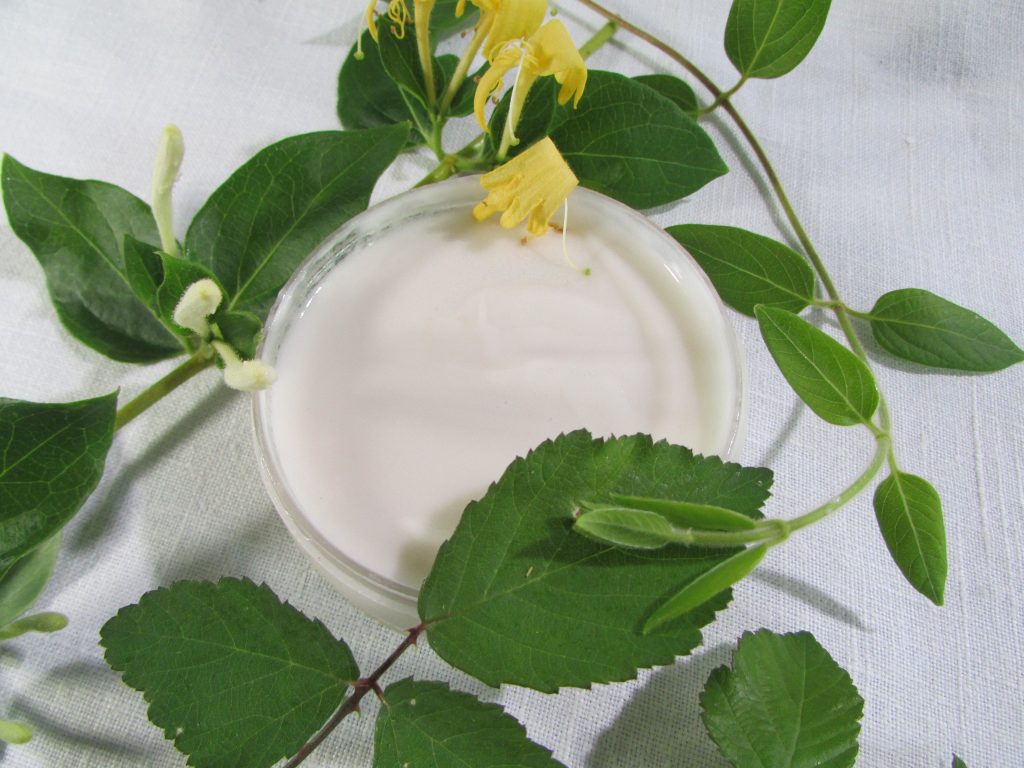
Those who join our herb walks will know they are often peppered with ideas for how to use plants in making your own skincare. One of the appealing things about this is how little plant material is needed. A couple of leaves or flowers can make a cleanser or cream that you can have in daily use for a long while (when made properly). So with very little disturbance to the plant, you get to have its presence and energy with you every day.
Bearing in mind the rule of thirds (above) it’s a lot quicker to gather and process plants for skincare than for food, and a lot gentler on the plant.
Look after the plants and they’ll look after you.
We’re all about keeping plant knowledge alive, including knowledge of how plants are traditionally regarded and used. That does need practical participation, we learn by doing and experiencing. But the most important thing to keep alive is the plants and their habitats, so always approach them with care, moderation and thoughtful regard for their future.


Leave a Reply