
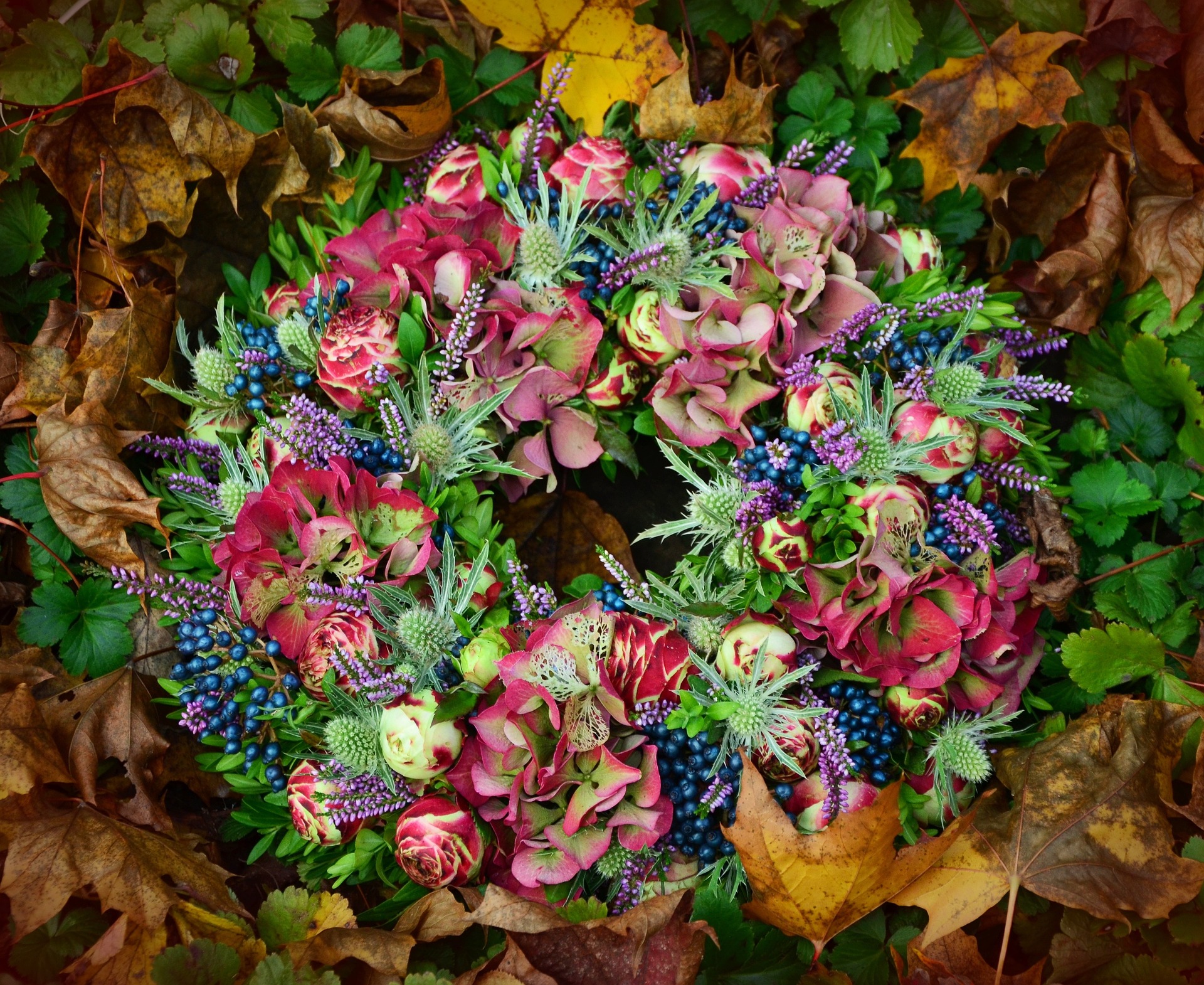
Wreath making is an ancient and highly symbolic art, a way to bring seasons into our homes. A simple circle of branches has a deep and long history drawing together power, poetry, prayer and persistence.
Thresholds
There are many traditions associated with placing herbs to protect thresholds. For example, branches of elder were hung over doors to ward off evil spirits. Acorns were placed in windows to prevent lightening strikes (which is why even today we may see wooden acorns on the pull cords of blinds). Rosemary is a guardian against theft or visitors with ill intentions, while lavender provides cleansing energy and peaceful blessing, and jasmine positively welcomes happiness into your home.
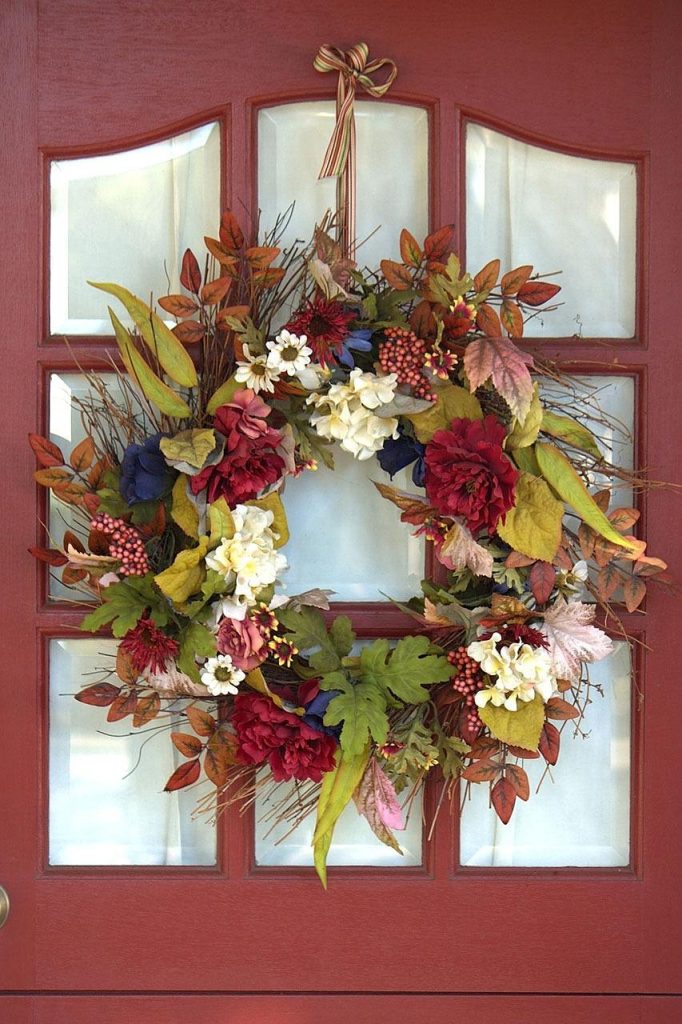
The custom of hanging these herbs in a wreath on the front door is something we can thank the Victorians for popularising. They embraced the use of wreaths for decor, celebration and remembrance. ‘Welcome rings’ were made with holly, ivy and pinecones to indicate a warm welcome to guests.
Circles
A circle represents unbroken eternity, perfection and the cycle of life and the seasons. They contain the story of strength waxing and waning, power gained and lost, life beginning and ending. Wreath making becomes a perfect way to encapsulate the seasons and these changes. We bring together all the seasonal indicators and motifs associated with this time of the year.
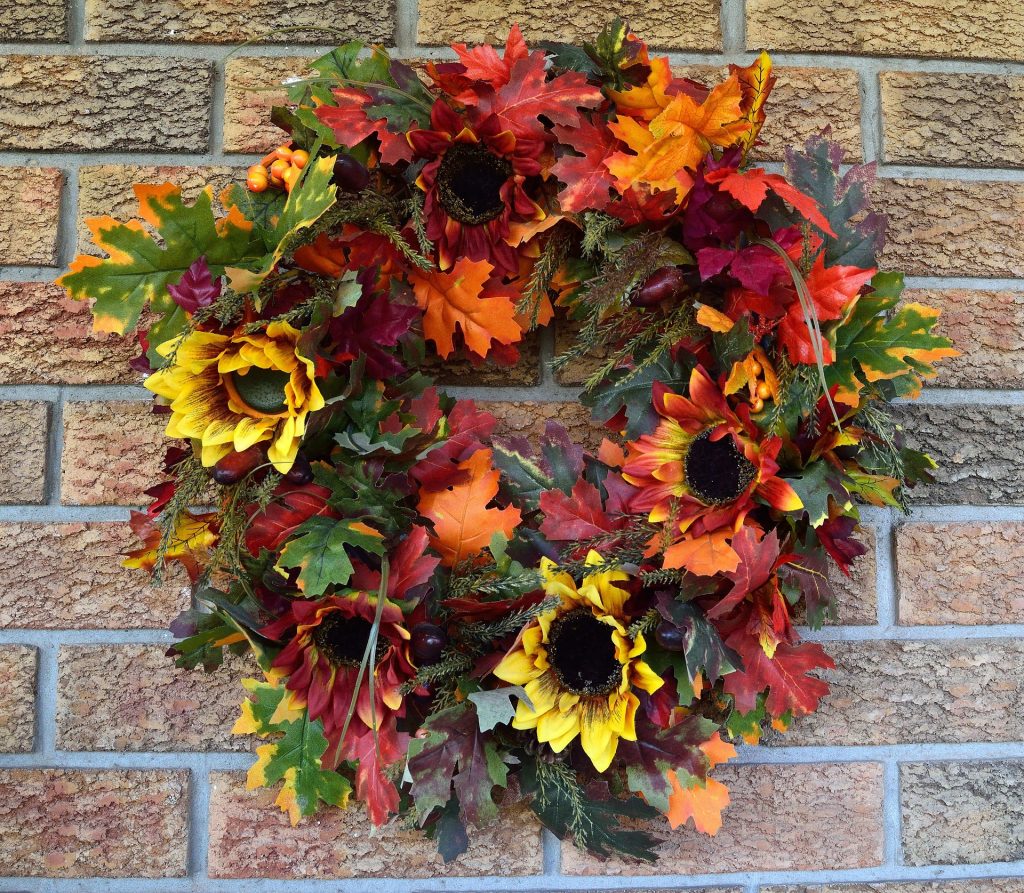
Autumn wreaths can be made with an array of coloured leaves, clusters of berries and even miniature pumpkins. Create to hang on a door, or as a table centrepiece. In my home a large wreath hangs horizontally above the dining table, its decoration changing with the seasons.
Seasonal wreaths
Wreath making can be done in any season, but the season perhaps most associated with wreaths is Advent, the prelude to Christmas.
The Advent wreath is though to have been introduced during the 16th Century within the Lutheran church in Germany. Here candles were put into circles of evergreen leaves to help count down the weeks to Christmas.
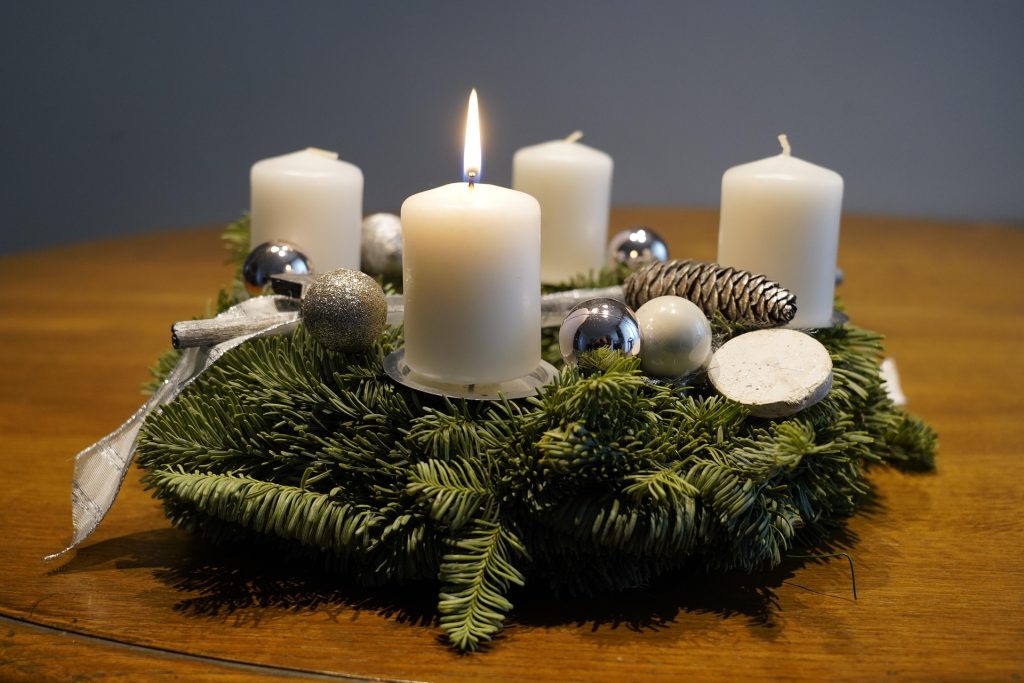
We find wreaths particularly in Nordic and European traditions, which have migrated over here as ‘Scandi decor’ characterised by simple shapes and a connection with the natural world in textures and materials. Evergreens, including fir, pine and holly, are symbols of survival and hope, promising the eventual return of the sun, the cycle continuing. They are particularly associated with the winter solstice, when the sun begins her slow return. Winter is simply a phase, not an ending.
Wreaths in other contexts

In classical times, wreaths were worn as a symbol of victory, either in military campaigns or sporting events. A wreath was more meaningful than any medal and may be worn by victors, leaders and authority figures, including poets. Usually they would be made with leaves from one herb massed together, or a collection of wild herbs. The laurel wreath is most associated with victory (‘earn your laurels’), made with bay leaves it would be very fragrant too. Other options were olive leaf or oak leaf crowns.
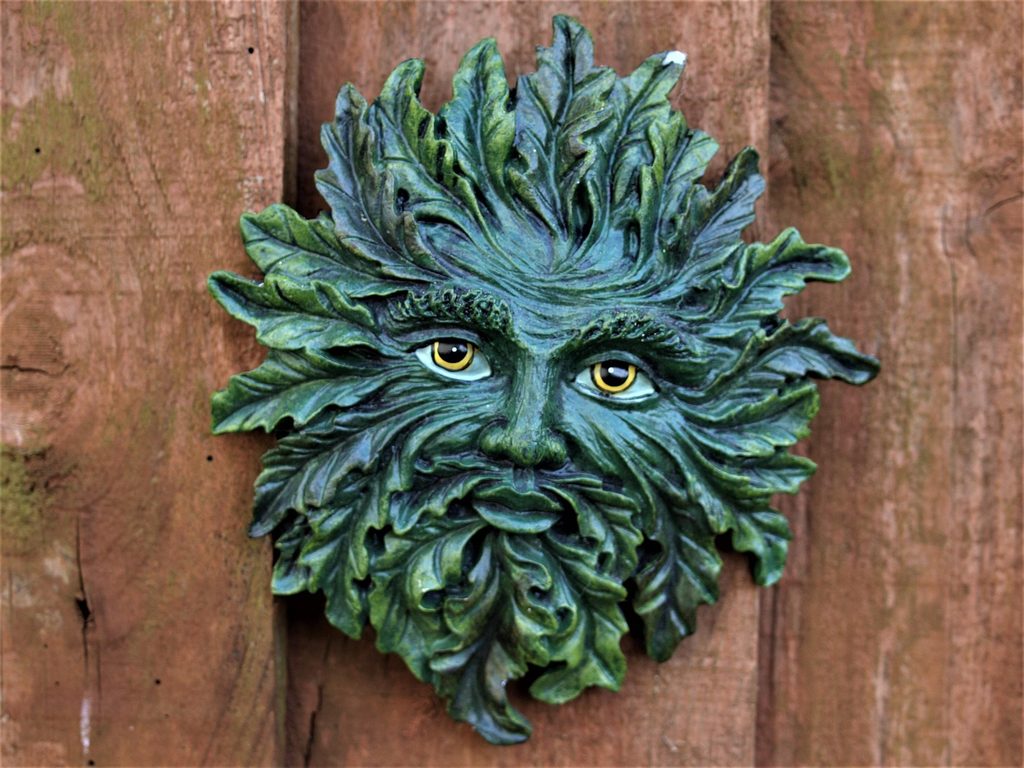
We’re more familiar with seeing a wreath of oak leaves around the various green man figures, themselves symbols of nature, rebirth and the endurance of forest, our connection to the wild.
This kind of meaning is still embedded deep in the many ways we use wreaths today. Wreaths may adorn doors, rooms, tables and our own heads. They form part of joyous celebration such as weddings, graduations and festivities; they play a part in solemn occasions of remembrance including funerals (when rosemary, ivy and myrtle are often included) and ceremonies when we turn to laurels and poppies for our wreaths.
Make your own wreath

For many, wreath making has become a seasonal tradition, a time to gather with friends in the run up to Christmas. My friends and I will try to find a Sunday afternoon in late November when we gather our greenery and then gather ourselves around a large table for a few hours of creativity and chat.
If you’d like to learn the art of wreath making so you can create something that welcomes and lasts through the Christmas season, there are plenty of opportunities to go to a wreath making workshop (with greenery and chat supplied).
Our resident ‘Herb in a Vase’ florist, Sophie is running a couple of classes this year. If you hurry you should be able to bag a space on one. She’s offering the chance to create in a completely zero-waste way using all compostable materials.
Join her on Wednesday 18th November, 6.30 to 8.30pm in The Garden Room at the Chantry Centre, Long Street, Durlsey.
or, on Thursday 19th November, 6.30 to 8.30pm in The Meeting Room at Leaf & Ground, Dursley.
But do book first as spaces are deliberately limited to give everyone plenty of room to work.
Leave a Reply